THE JEWISH
TOURIST GUIDE TO THE UK "Vere
do
I fress Kosher in Svinging London or
Rainy Manchester?"
List of Kosher Restaurants, Hotels,
Food Provisions,
Attractions, Events &
Contacts
Welcome to
The Wessex & Mercia Tourist
Board by The UK Informed Investor. Press
Control+B to Bookmark this site for
later reference.
Founded 1972
now in 44th year -400 million views
TEL : +44
(0)207 183 4978
FAX: +44 (0)845 862 1954 13 Nottingham Place, London, W1U 5LE
Hi
I'm
Sammy Gee. Editor for the Mercia
Tourist Board.
BRICK LANE USED TO BE THE JEWISH
CENTRE OF LONDON TODAY
IT ISMAINLYPEOPLE
FROM BANGLADESH. THE FAMOUS BLOOMS IN
WHITECHAPEL IS NOW A BURGER BAR. NO ONE
KNOWS WHERE THE RUDEST WAITERS IN BRITAIN
HAVE GONE! YOU HAVE TO LOOK
ELSEWHERE IN LONDON FOR KOSHER
RESTAURANTS- SO IF MAMA ISN'T AVAILABLE TO
COOK FOR YOU......BELOW
FIND A LIST OF SOME OF THE RESTAURANTS,
KOSHER FOOD STORES , KOSHER RECIPES AND
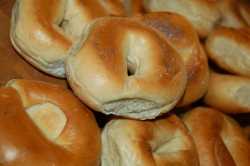
A SEPARATE SECTION ON THE LONDON BEIGEL.
An Open Message to the
leading Supermarkets: Asda,
Morrisons, Sainsburys &
Tesco. We are based in
Taunton, Somerset. You all carry
Matzos in your stores. However
they are all marked " Not
For Passover Use".
Please could you provide Matzos
for Passover use during
Passover.
We are pleased to say that
Tesco's have replied as below-
there has been no response from
the others mentioned.
From Tescos:
"Thank you for your
patience while I have been
investigating this matter.
The points raised in your
e-mail have been discussed
at length with our Buying
Manager for this area of
our business. She was
equally disappointed to
learn of your concerns and
she has also asked
me to pass on her
apologies. She
explained that although each
of our stores had a product
plan for Passover and were
sent specific Passover
stock, it appears that in a
number of stores the
non-Passover stock was
not removed from sale and
replaced with the
appropriate stock. I can
only apologise that more
care was not taken. Our
Buying Manager explained
that although some of our
stores had changed the stock
over correctly, a number of
our stores made the same
mistake due to a lack of
knowledge around Passover.
She explained that they have
already put several plans in
place to prevent this from
happening again next year,
including sending out a
brief to each of our stores
in the lead up to Passover
and providing more detailed
instructions around stock
placement. Once
again, please accept my
sincere apologies for the
undoubted frustration that
this matter has caused. I do
appreciate why you were
unhappy and I would like to
reassure you that we will do
our utmost to prevent this
from happening again. Thank
you for taking the time and
trouble to bring this matter
to the attention of our
Chief Executive.
Kind
Regards Nick
Johnson Customer
Service Executive"
Update the elusive Matsos have
failed to appear in Taunton so
far this April 2011. Still who
knows how the world works-
Burger King are making a
feature of their pancakes
throughout Lent! and in New
York you can
get-
With a vast range of kosher food
from Biltong and Raw Meat to Deli
and Wine
THEkosher
store.
After providing the North West
community with Kosher food for
over 90 years, we are now pleased
to bring you our home delivery
service, J.A. Hyman Direct.
Have
a
look around, we have tried to create
some of the ambience of the shop
(minus the shouting!) that has made
Titanics an institution in the North
West. Whether it is having Stanley
tell you a joke, a butcher chatting
you up, or Richard looking after
your baby while you shop. Pages are
being added all the time to make
shopping online as much of an
enjoyable experience as coming in
and seeing us!
Security
Our
checkout
page is fully secured with Xramp
security, which is fully
authenticated and certified security
system using SSL technology. So you
will be able to shop with peace of
mind in the knowledge that you can
order from us, get fantastic value
for your money and be assured that
all your details will remain safe!
Under full time
supervision of the Manchester
Kashruth Authority
Whether
you are from Golders Green,
Stamford Hill, Edgware, Leeds
or the Bronx chat with others
interested in the contents of
these pages or try & find
old & New Friends. We have
named the chatroom after Hugo
Hackenbush the other persona
of Groucho Marx. Those who
don't wish to chat may remain
in Harpo's room!
British
Jews have to fork out close to
£13,000 a year to live a
kosher lifestyle, according to
a new study that has
identified a “cost of Jewish
living crisis”. Research by
Treasury adviser Andrea
Silberman and Ernst and Young
consultant Anthony Tricot
shows the huge gulf in costs
associated with kosher food,
property in Jewish areas,
synagogue membership and faith
schools between Jewish
families and the UK
average. In total, they
found a Jewish lifestyle can
have annual costs of up to
£12,700 per family. Comparing prices
between Jewish delis and
butchers with supermarkets,
the study in the Times reports
kosher meat was double the
cost of non-kosher meat,
costing an extra £500 a year.
Meanwhile
families eating out pay an
additional £1,500 per year as
restaurants that serve kosher
meals can charge up to 70 per
cent more. Costly: Synagogue
memberships can cost a
household up to £800 per
year. The study found
joining a synagogue costs up
to £800 per household to cover
burial costs, triple the
amount of cremations. Rabbis'
salaries are at least twice
those of vicars in London,
said the researchers. It
added Jewish schools charge an
annual premium of up to £2,000
per child “to reflect the cost
of additional religious
education”. According to the
study, the biggest cost for
Jewish families is property
where a family will pay £5,900
per year more for their home.
The study said:
“One fifth of British Jews are
concentrated in the north
London borough of Barnet,
where property prices are 157
per cent higher than average
prices for England and Wales.”
Jewish
celebrations, or simchahs as
they are also known, add an
extra £1,100 per year. The researchers
explained: “Simchahs are a
further significant cost,
driven by the need to “keep up
with the Cohens”. The average
Jewish wedding was reported
this year to cost £55,000,
compared to a UK average of
under half that amount, while
bar and batmitzvahs represent
a significant additional cost
that is specific to the Jewish
community.” Other costs not
taken into account include a
£2,800 tour to Israel at the
age of 16 and post-university
gap years to Israel estimated
to cost between £10,000 and
£15,000.
MAYFAIR
REUNITED
A site
is being compiled to
bring together people
concerned with The
Junior Mayfair Charity
Group, Mayfair Cricket
Club and Mayfair
Casuals Football Club
If you were a member of
any of the following
group or clubs please would
you send us an email with your
current name, address,
telephone number and email
address so that we may compile
a database to assist you to
keep in touch with other
members. It would also be
helpful if you would send us
details of any other members
you have kept in touch with.
Not only will this site be a
contact base but will include
articles of interest submitted
by members. All emails
to
This
group
raised money for charity
which included Balls at
the Dorchester Hotel &
Quaglinos in London,
Riverboat shuffles, Film
Premieres and was a member
of the Younger JNF Group
in the late 1950s
and early 1960s.
Mayfair
Cricket Club
This
Cricket Club played at
Osterley, the Old
Millhillians ground at
Headstone Lane, Wealdstone
, Osterley and at
Lyttleton Playing Fields
Hampstead Garden Suburb
Mayfair
Casuals Football Club
This
team played both in the
AJY and Maccabi Leagues.
They played at
Regents Park and at
Lyttleton Playing Fields
Hampstead Garden Suburb
A
C
London
is not just the capital of England, it
also happens to be the Jewish capital,
with over 200,000 members of the tribe
living in the metropolis. But while London
may not have as many Jewish sights and
facilities as its New York cousin, it’s
the quality that London Jews are proud of,
not the quantity. Over the years, the Jews
of London have divided into two distinct
groups – the North London Jews and the
Essex Jews. North London Jews have built
up their own clique and social life, while
Essex Jews have done pretty much the same
in their own territory, and neither would
ever admit to visiting the other’s ‘hood.
Not so much gangland warfare as invert
social snobbery, with North London’s
middle-class Jews poking fun at Essex’s
working-class Jews, and the Jews of Essex
poking fun at their North London cousins.
That’s not to say there’s no wealth among
the Essex Jewish community – far from it.
Some of Britain’s richest Jews live in the
area, including electronics tycoon Alan
“Amstrad” Sugar. North London Jews live in
some of London’s wealthiest areas, such as
Regents Park, St John’s Wood (aka St Jew’s
Wood) and millionaires’ row The Bishops
Avenue in East Finchley, Media tycoon and
adult TV channel owner Richard Desmond has
his pad here. Want to get a taste of the
sights and sounds – and a few smells – of
London Jewish life? Here's the essential
stuff to do. Visit Golders Green and pig
out. This North London landmark is home to
the largest selection of kosher eateries.
Whether your passion is a shwarma or
KFC-style chicken, there’s something for
everyone.
The Jews in London
Something happened in
1656 that was "good news" for
Jews - but what was it? To
understand, we must look back
before Oliver Cromwell and the
"Whitehall conference" of that
year, the event popularly
considered the turning point.
In the late 13th
century, the small Jewish
community that existed in
England became less useful to
the monarch after it was
hammered by successive rounds of
swingeing taxation.
Edward I decreed in
July 1290 that all Jews should
leave England by 1 November.
Apart from a small number in the
Domus Conversorum (House of
Converts) in Chancery Lane, that
is exactly what happened.
A few centuries later,
Jews in Europe faced a new
threat from the Spanish and
Portuguese Inquisitions.
Jewish refugees fled
the Iberian Peninsula during the
15th and 16th centuries, seeking
safer realms away from religious
persecution.
By coincidence, in
England, there was a king who
found a different point of view
useful. Henry VIII imported
Jewish rabbinical advisors to
help find a Biblical way out of
his marriage to Katherine of
Aragon, the first of his six
wives. He also welcomed Italian
Jewish musicians to his court.
And from the mid 16th
century onwards, Jews entered
England as Spanish and
Portuguese merchants. They lived
a double life: practising their
true faith in secret while in
public attending Lutheran
churches.
Somehow they managed to
observe feasts, fast-days and
some dietary laws.
Even though
their Jewishness was tacit
knowledge in London and Bristol,
a blind eye was turned to their
private religious activities.
There was no
Inquisition in England. In fact,
Jews became a useful political
tool for an English court at
odds with Spain and Portugal.
The throne found it was able to
make good use of these exotic
merchants with their overseas
contacts.
It is impossible to say
how many such "conversos" lived
in England - perhaps they
numbered no more than 100 at any
one time - but without a
synagogue or official
recognition, they did not
constitute a community.
In Rabbi Menasseh ben
Israel, a scholar, publisher and
ambassador for Jews, petitioned
Oliver Cromwell in 1656, asking
for his community to have the
right to settle. That petition
was a catalyst for change.
By the time of the
Whitehall conference called to
decide the issue, those in
favour of the Jews may have had
millenarian or mercantile
aspirations, while those
against, cited theology and the
fear of competition.
The result was
inconclusive - but perhaps the
fact that the debate took place
at all effected a change in the
climate of tolerance.
Crucially, the
conference accepted that the1290
Edict of Expulsion applied only
to Jews resident in England at
that date; technically there was
no barrier to resettlement.
Furthermore, the
renewed hostilities with Spain
meant that it was safer to come
out as a Jew than be taken for a
Spaniard in London.
And so, in December
1656 Antonio Fernandes Carvajal,
the leader of a small group of
settlers, acquired land for a
Jewish cemetery, a public
statement of existence.
In 1657 his hitherto
private synagogue in Creechurch
Lane was extended to accommodate
an influx of worshippers - and
in 1659, his memorial service
was attended by Samuel Peyps.
Ashkenazi
Jews from Germany and Poland
founded their first synagogue in
1692 in Broad Street, Mitre
Square.
The
magnificent Spanish and
Portuguese Jews' synagogue in
Bevis Marks, a road in the City
of London, followed in 1701.
Despite
intermittent attempts by some
clerics and city merchants to
have Jews banished once more,
the presence of the small
community appeared secure. The
small group had become a
community.
In the 350
years since the Whitehall
conference, the relationship
between the Jews and the host
community has not always run
smoothly.
The Jew
Bill of 1753, drafted to enable
foreign Jews to naturalise, met
with violent opposition and had
to be axed.
Civil
rights came at a snail's pace in
the 19th century - although that
it is true for Catholics and
dissenters too.
Today,
most Jews in Britain regard
themselves both as integrated
citizens with a rich historical
and cultural background.
But the
fact that anti-Semitism remains
alive - while more recent
immigrants find themselves
demonised by a bigoted minority
- demonstrates that although
Britain has become an
increasingly multicultural
society, there remains, in some
quarters, an innate suspicion of
difference.
Nevertheless,
2006
marked 350 years during which
Jews have found somewhere they
could come and find their feet,
whether they were fleeing
Russian pogroms in the 19th
century, or the Nazis in the
20th. And that is something
worth celebrating.
As reported by the BBC http://news.bbc.co.uk/1/hi/magazine/5341424.stm
The fantacinating history of the
area is detailed in, Exploring
the Vanishing Jewish East End,
which included an nostalgic
introduction by writer, actor
and director Steven Berkoff, an
East End resident and son of a
Stepney tailor. The two
self guided walks also introduce
places that have been home to,
and inspired, Jewish writers,
artists and entertainers such as
Bud Flangan. Amongst the wealth
of history, pockets of thriving
contemporary Jewish life are not
forgotten with one walk leading
to Rinkoffs, the only remaining
Jewish Bakers in the East End,
where visitors can indulge in a
slice of delicious cheesecake.
Newly arrived
Jewish immigrants had a
tendency to create
close-knit, distinctive
communities. They wanted
to live and work near to
their fellow Jews,
especially landsleit
- people from the same
original village - and
within walking distance of
a synagogue,
ritual baths and kosher
food shops. The language
of the newcomers was Yiddish.
Russell
and
Lewis's map of
Jewish East
London, 1900,
shows street by
street the
density of
Jewish
settlement.
Moving Here
catalogue
reference (JML) 2002.25
The immigrants
settled in inner city
areas like the East End of
London, the Leylands in
Leeds, Strangeways in
Manchester and the Gorbals
in Glasgow.
In 1880 there
were around 46,000 Jews in
London, but by 1900 this
figure had almost trebled
to 135,000, and most were
living within the two
square miles of the East
End.
In 1889 Charles
Booth observed:
The newcomers
have gradually replaced
the English population in
whole districts, Hanbury
Street, Fashion Street,
Pelham Street, and many
streets and lanes and
alleys have fallen before
them; they have introduced
new trades as well as new
habits and they live and
crowd together.
On
25 January 1911,
the London
Evening
Standard
published the
first of a
series of long
Catarticles on
'the alien
problem'.
By 1900 many of
these streets were
entirely Jewish. To
non-Jews, the new arrivals
presented a curious
spectacle - they spoke a
foreign language, wore
different clothes, ate
strange-smelling foods and
practised an unfamiliar
religion. Many non-Jews
were horrified by what
they saw as an 'alien
invasion'. In his book Living
London, GR Sims
describes Whitechapel in
1904:
It is its
utterly alien aspect which
strikes you first and
foremost. For the Ghetto
is a fragment of Poland
torn off from Central
Europe and dropped
haphazard into the heart
of Britain.
By settling in
tight-knit communities,
the Jews were creating an
environment for themselves
in which they could retain
their distinctive culture
and tradition and slowly
adapt to the difficulties
of life in a new, often
hostile, country. The East
End historian William
Fishman gives his own
description of Jewish life
in the teeming streets of
Whitechapel:
The Jews formed
their own self-contained
street communities with
workshops, stiebels
and all-purpose stores
where the men would gather
on Sundays to discuss the
' rabbi's'
sermon, politics and local
scandal. On Fridays, the
eve of Sabbath,
the cloistered alleys and
thoroughfares came to life
as candles blazed from the
front parlours of shabby
one-storeyed cottages or
tenements.
Cramped
conditions
in an immigrant
home.
Moving Here
catalogue
reference (JML) 779.1
The immigrants
were settling in areas
already characterised by
poverty and overcrowding.
The flow of new arrivals
only worsened the
conditions of severe
overcrowding, dirt and
lack of sanitation.
In 1884, The
Lancet reported
the case of a Jewish
potato dealer who lived
with his wife, five
children and a huge pile
of potatoes in one room
which measured only five
yards by six! But the
demand for accommodation,
regardless of how bad it
was, kept rents high.
The Jewish Board
of Guardians, an
organisation set up in
1859 to help the 'strange
poor', tried to relieve
the worst conditions.
Other wealthy Jews pressed
for improvements in the
form of model tenement
blocks.
In 1885 Lord
Rothschild and others
formed the Four-Percent
Industrial Dwellings
Company, which aimed to
charge fair rents and
build flats that were
large enough to house
families in more than one
room. The largest of a
series of tenement blocks
built by the company were
the Rothschild Buildings
on Flower and Dean Street,
clearing an area known as
'the foulest and most
dangerous in the whole
metropolis'. Read about Manchester
Jewry .
Synagogues
Early
morning
service at a chevra.
Moving Here
catalogue
reference (JML) 1997.1p258
Synagogues were of prime
importance in the
community life of the
new immigrants. The
existing synagogues,
with their imposing
interiors and anglicised
services, were not
popular with the new
arrivals. It was not
long before a network of
small synagogues, also
known as stiebels or chevras, sprang up all
over the East End and
other areas of new
Jewish settlement.
The chevras
were established in
attics, back rooms and
even former chapels. They
were often named after the
town or district in Russia
or Poland from which their
founders had emigrated,
and they not only served
as places of worship, but
provided welfare help,
study and mutual support.
Inside
Philpott
Street
synagogue.
Moving Here
catalogue
reference (JML) 194.1
There were an
enormous number of small
synagogues in areas of
dense Jewish population.
Families living in the
Rothschild Buildings were
within walking distance of
at least 15 synagogues in
the neighbouring streets.
The writer Israel
Zangwill recognised
the importance of the
synagogue to the Jewish
immigrant.
He commented:
They dropped in,
mostly in their workday
garments and grime, and
rumbled and roared and
chorused prayers with a
zeal that shook the window
panes, and there was never
a lack of a minyan
- the congregational
quorum of ten.
Schewzik's
Vapour
Baths.
Moving Here
catalogue
reference (JML) 2002.27
In 1887, Sir
Samuel Montagu, the
Whitechapel MP, founded
the Federation of
Synagogues, which
incorporated most of the
East End chevras.
By 1900, the Federation's
membership was larger than
the United Synagogue,
which represented the
synagogues of the existing
Anglo-Jewish
establishment.
Before attending
synagogue on a Friday
night, many men visited a
bath-house. A local East
End landmark was
Schewzik's Vapour Baths in
Brick Lane, offering the
'Best Massage in London:
Invaluable relief for
Rheumatism, Gout,
Sciatica, Neuritis,
Lumbago and Allied
Complaints. Keep fit and
well by regular visits'!
Reverend Schewzik, the
manager of the baths, also
conducted Holy Day
services at the Great
Assembly Hall in Mile End.
Everyday Life
A
bagel seller on
Petticoat Lane.
Moving Here
catalogue
reference (MOL) IN2236
In the areas
where Jews were
concentrated, the
community became almost
entirely self-sufficient.
In the East End, for
example, the streets were
thronged with Jewish
shoppers, housewives, and
children running errands.
Everything they needed was
available from the
thriving street market
centred round Petticoat
Lane or the many small
grocery shops selling
pickled herring, smoked
salmon and onion bread,
which were often open till
midnight.
Nearly all the
shopkeepers and
stallholders were Jewish.
There was even a herd of
cows just off the
Whitechapel Road that
supplied kosher
milk.
Kosher
wine
and
grocery labels.
Moving Here
catalogue
reference (MOL) 2002.128/52
The established
Jewish community frowned
on the use of Yiddish
and encouraged the use of
English as much as
possible.
But among the
newly-arrived community
Yiddish predominated:
Shop
signs and posters were
in Yiddish
A
range of Yiddish
language newspapers
and books were
published
From the
late-1890s, the Pavilion
Theatre in Whitechapel
Road showed Yiddish
language plays, and
Yiddish theatre was its
principal attraction from
1906 until its closure in
1935.
Community Support
Residents
at
Nightingale
House, a home
for elderly Jews
in Wandsworth.
Moving Here
catalogue
reference (LMA)
LCC/PH/GEN/4/253
During
the
19th century, many
charities were set up for
the welfare of the
community. The Jewish
Board of Guardians,
founded in 1859, provided
help for those who had
been in the country for
over six months, prompted
by both humanitarian
motives and a reluctance
to see Jews becoming a
burden on the state.
The
immigrants
also wanted to look after
each other in times of
trouble, and set up
charities such as the
Russian Jews Benevolent
Society in Manchester.
Hundreds of friendly
societies, often
associated with individual
synagogues, were also
established, as were homes
for the aged, orphanages,
and day nurseries.
A
Jewish hospital movement
led to the opening of the
Manchester Victoria
Memorial Jewish Hospital
in 1904, and eventually
the London Jewish Hospital
in 1921.
Speeches at a
bar mitzvah
party for a
member of
Tottenham
Hebrew
Congregation
c.1965, with
the Reverend
Chazen
standing far
left. The
congregation
peaked at over
400 members in
the mid-1950s,
but has since
declined
Moving Here
catalogue
reference (HMA) ldbcm2002.65
A new community establishes itself: the order of service
for the laying
of the
foundation
stone at the
New Synagogue,
Greenbank
Drive,
Liverpool 1936
Moving Here
catalogue
reference (LRO) 296 NHC 30/4 (6)
The playground at Darley School in Leeds c.1895, with a
number of
Jewish boys
wearing
kippahs
Moving Here
catalogue
reference (WYAS) WYL5043/13/1
The problem of
overcrowding began to
improve in the early 20th
century as Jewish families
started to move away from
the East End. The first
step up the ladder was to
adjacent areas like
Hackney, Dalston and
Islington, and then to the
more suburban areas, such
as Golders Green, Hendon,
Cricklewood and Ilford
that opened up with the
expansion of the
underground railway. As
Jews moved into these
areas, synagogues were
founded, and the structure
of a Jewish community
became established.
Outside London,
the settlement of Jewish
families followed a
similar pattern, with
movement away from the
inner cities into more
desirable areas like
Cheetham Hill in
Manchester or Chapeltown
in Leeds.
Refugees from
Nazism
Memories
of
home: The first
page of Gina
Bauer's memories
of life in
Austria, written
at Harris House,
1939-40
Moving Here
catalogue
reference (JML) Gina Bauer
The 50,000 or so
Jewish refugees from
central Europe who settled
in England after fleeing
from Hitler had a very
different experience from
their counterparts 50
years earlier. At first,
many were scattered all
over the country:
Kindertransport
children were first housed
together in Dovercourt
Camp on the outskirts of
Harwich in Essex, but were
then separated and sent on
to foster homes and
hostels all over Britain:
Women
arriving on domestic
visas might find
themselves employed in
houses anywhere in the
country
Children
were evacuated, and
many men were
imprisoned as enemy
aliens during
the war years
The
refugees soon began to
cluster in particular
areas, principally along
the Finchley Road in
North-West London, rather
than the East End in which
earlier generations of new
arrivals had been
concentrated. Many found
homes in other cities like
Manchester and Leeds. The
new settlers had the
support of immigrants from
similar backgrounds, and
organisations such as the
Association of Jewish
Refugees, founded in 1941,
to help them settle in to
their new life. They would
be joined after the war by
refugees scattered by
evacuation, internment and
war service, and in their
turn helped them to settle
in.
With
its émigré
clubs and coffee houses,
the Finchley Road area
took on a Jewish character
of its own, and bus
conductors would call out
'Passports please' or
'Finchleystrasse' as the
buses stopped there!
As
Jews became more
integrated into English
society, they left behind
the distinctive Eastern
European flavour of their
first areas of settlement.
Today, there are very few
Jewish people left in
those parts, which have
taken on a new character
as immigrants from other
parts of the world have
moved in. The external
Spitalfields and
Whitechapel area of
London, for example, is
now home to a thriving
Bangladeshi community, and
what were once synagogues
have been turned into mosques.
CLICK ON ANY OF THE
PICTURES TO SEE AND ORDER "I
DON'T DO CALM"
Merchandise (T-Shirts,
Sweatshirts, Bags & Mugs)
Established in
1948 by Harry Morgan, a
local butcher, this once
tiny takeaway deli is
now the largest and most
famous New York Style
Deli Restaurant in
London.With branches
in St Johns Wood, the
West End &
Knightsbridge, Harry
Morgan has built up a
reputation for being the
only place to go for
freshly made deli
sandwiches and salads.
Harry Morgan
was voted ‘The Best
Chicken Soup in London’
by the Sunday Times and
also nominated two years
running (2004 &
2005) in the Evening
Standard Restaurant
Awards for the top 5
best value restaurants
in London. As its
reputation has grown,
Harry Morgan has almost
become as well known for
its celebrity clientele
as for its renowned deli
style foods.
29-31
St. Johns Wood
High Street,
LondonNW8
7NH. T:
020 7722 1869
E: enquiries@harryms.co.uk
80 Seat
Restaurant with
Separate
takeaway
section.18
Seats outside.
Mon – Fri 9am to
10.30pm
Sat – Sun 10am
to 10.30pm
6
Marketplace, Oxford
Circus, London
W1W 8AF T:
020 7580 4849
E: enquiries@harryms.co.uk
20 Seat
Restaurant with
Separate
takeaway
section.
Mon – Fri 8am to
9.00pm
Sat – 12pm to
6pm
Harrods
Food
Hall, London
SW1
T: 020
7730 1234 E:
enquiries@harryms.co.uk 22
Seat Restaurant
with Separate
takeaway
section.
Mon – Sun 11am
to 7.00pm
Panzers
Delicatessen
13-19
Circus Road St
John's Wood,
London NW8 6PB
Tel: 020 7722
8596
About
Us
PANZER'S
IS
A FAMILY RUN
DELI IN ST.
JOHN'S WOOD,
LONDON
ESTABLISHED FOR
OVER 50 YEARS.
We
have a huge
selection of
over 5,000
lines, from all
over the world.
A delicious
Deli-Counter
with hand-sliced
Smoked Salmon,
nurtured
Cheeses,
Charcuterie,
Home-Made Salads
and Caviar.
There is a wide
selection of
Kosher Foods.
Our
CHRISTMAS
HAMPERS are
luxurious; a
mixture of
fashionable and
traditional. We
can process LATE
ORDERS running
up to Christmas.
UK and most
European
Deliveries are
made within 24
hours... The
Rest of The
World takes a
little bit
longer.Our
Greengrocery
Department is
one of the
Finest in
England...
always offering
fruit and
vegetables out
of season.We
CATER for
Corporate
Lunches or
Private Parties
- Platters of
meat, fish,
cheese, canapés,
sushi, salads,
sandwiches,
fruit salads,
cakes, desserts.
SPECIALITY
KOSHER FOODS
ROYAL
GEORGE KOSHER
CHEESE in
Wiltshire
Coombe
Castle
International,
Corsham
Witlshire SN13
9XN Map
Tel:
01225
812712
Web: http://www.coombecastle.com
New to
the cheese scene
are kosher
cheeses from
Royal George,
the most
established and
largest producer
of kosher
cheeses in the
UK. Made in a
family dairy,
the cheeses are
certified by the
Orthodox Union,
providing your
guarantee of
quality and
authenticity.
They offer 3
classic British
cheeses:
cheddar, Double
Gloucester and
Red Leicester.
Call them for
your nearest
stockist.
Dorset
Cereals Ltd is
a family owned
company based
in Dorchester
that was
established in
1989. They are
currently the
only company
in the UK
specialising
exclusively in
the
manufacture of
muesli. All of
their products
are suitable
for
vegetarians
and vegans,
kosher
certified, GMO
free and have
no added sugar
or salt. Super
High Fibre
Cereal
contains
toasted,
malted
wheatflakes,
black raisins,
toasted
oatflakes,
dates,
coconut,
sunflower
seeds, chopped
apricots and
roasted
hazelnuts. Luxury
Muesli is
packed with
black raisins,
toasted
wheatflakes,
barleyflakes,
apricots,
pineapple,
dates, brazil
nuts and
almonds. In
addition to
these their
range includes
Dorset Muesli,
Deluxe Muesli,
Strawberry
& Cherry
Crunchand
Raspberry
& Banana
Crunch Available
at
good
food stores.
Birmingham
Birmingham,
in the English Midlands,
is the second largest
city in England, with a
population of
approximately one
million. In the
vicinity of Birmingham
are a number of towns
whose Jewish communities
have looked to the
Birmingham community for
support or shares
facilities, including
Walsall immediately to
Birmingham's northwest
and Solihull immediately
to Birmingham's
southeast. Until
1974, Birmingham,
Solihull and Walsall
were county boroughs,
the first two in the
county of Warwickshire
and Walsall in the
county of Staffordshire.
Each then became
metropolitan boroughs
within the newly created
metropolitan county of
West Midlands (the areas
of Solihull and Walsall
being increased at the
time by the
incorporation of
adjoining areas).
These metropolitan
boroughs became unitary
authorities in 1986,
when West Midlands lost
its administrative
county status, becoming
purely a ceremonial and
geographical
county. Solihull
had been an urban
district until 1964,
when it received county
borough status.
The
Bournemouth Jewish
community dates back to
about 1905, and is one
of the larger
communities in the UK,
partly due to its appeal
as a retirement
resort. The town
was also very popular as
a Jewish holiday resort
and, at one time,
boasted quite a number
of kosher hotels, of
which only one or two
remain. A number
of Jews also now live in
Poole, which forms
single conurbation with
Bournemouth. The
Jewish Bournemouth
District Jewish
Representation Council
covers a somewhat wider
area including
Southampton.Bournemouth
Jewish hotels consigned
to history as Normandie
battles on
BOURNEMOUTH Jewish
hotels from the 1940s to
the end of the 70s
represented the ultimate
in luxury and
facilities.They offered
all-inclusive packages,
including top
entertainment, full
board, afternoon tea and
evening tea. Shabbat
kiddushim were a
highlight in themselves.
The hotels boasted first
class facilities,
including swimming
pools. Many
holiday romances
developed into lifetime
partnerships. Holidays
in Bournemouth were as
much the province of the
rich and famous as of
those with less wealth.
The only survivor of the
heyday of Jewish hotels
is the Normandie which
will open only for group
bookings after the
yomtov period. The great
Bournemouth kosher hotel
names included the most
luxurious of them all,
the Green Park, owned by
the Marriott and Richman
families, the Majestic,
run by the legendary Fay
Shnyder, the Cumberland,
operated by the Felds,
the Ambassador, the
Langham, East Cliff
Manor and East Cliff
Court. Until the last
couple of decades the
Normandie had never been
under kashrut
supervision, relying on
its on-site ministers,
among them Rev H
Fenigstein and Rev G
Phillips, formerly of
Liverpool. But its
kashrut was unquestioned
and many strictly
observant Jews stayed
there.
There was a period in
the early 1980s when the
Normandie actually
became a non-kosher
establishment but in
recent years it has
enjoyed kedassia
supervision.In the 1950s
the Normandie was owned
by the Myers family,
subsequently by Mr and
Mrs Gershon Lee and then
by their daughter Belle
Keyne and her husband
Lou. The Keynes, who
lived on site,
eventually joined forces
with Mr and Mrs Ron
Fisher. Jonathan Keyne
recalled: "My parents
bought the hotel when I
was about nine or 10 and
I lived there until I
was 18. "It was a very
different kind of
upbringing because every
couple of weeks there
would be new groups
coming in and that
affected the way you
interact with other
people. "From my point
of view, it had a
fantastic garden, a
putting green and a
swimming pool. I knew
nothing different at
that age so I just got
used to it. "We used to
have our meals in the
dining room with
everyone else, so it was
nice to get away from
the crowds and have
meals on our own. "My
parents were also on
call all the time, which
I never thought of as a
problem but it did make
it harder to get away.
"Therefore, my parents
made an extra effort,
especially at weekends,
to go somewhere else.
"My mother was quite an
icon in the hotel as she
was very good at looking
after the guests. "I'm
sure she would have been
a major memory of the
hotel to anyone who
stayed at that time. "We
also had a golden
retriever called Simon
who all the kids used to
love to play with. "But
ever since my parents
sold the hotel, I had no
feelings for it."
Jonathan's brother Simon
also has happy memories
of the Normandie. "It
was an interesting life
living in the hotel. I
moved there just after
my barmitzvah in about
1958 during the heyday
of the Jewish hotels and
it was a very buzzy
place," he recalled.
"There were so many
thriving hotels and the
youngsters used to go
from one to another. In
those days, there were
very high standards in
the Normandie and there
was a lovely garden and
lovely food. "In fact, I
remember there being
masses of food and the
Shabbat kiddushes were
very popular - if you
were young, you'd get
crushed in the stampede
for the kiddush. "At
certain times of the
year it used to get very
busy and the same people
used to come each year
with their families.
They used to book their
next trip before they
left. "The staff were
very loyal and the hotel
was well run by my
parents."Every year
there were cricket and
football matches, and we
also used to play
putting, table tennis,
and go swimming. "When
it was a good summer, it
was the best place in
the world. "We also had
the most gorgeous dog
called Simon - I was
Simon Two-Legs and he
was Simon Four-Legs. "It
was a privilege to be by
the sea and, although
it's still a nice town,
it's not what it used to
be."
Rabbi Dr Jonathan
Romain, today minister
of Maidenhead Synagogue,
was a regular guest
during his childhood. "I
very much regret the
demise of Jewish
hotels," he said. "The
Normandie was a
wonderful institution
and attracted Jews from
all over the country. It
was a wonderful meeting
point and I have lots of
fond memories there. "I
went there for many,
many years on family
holidays and always used
to see the same regular
visitors each year. Lou
and Bella Keyne, the
owners, became like
family. "There was a
real haimishe
atmosphere, kosher
facilities and great
Jewish social
opportunities. "On
Shabbat morning, the
kiddushes were always
lavish and overflowing
and the tables sagged
under the weight of all
the food put out. "There
used to be five kosher
hotels in Bournemouth
that catered for the
middle-of-the-road
community, but the
Normandie was the only
one to survive as more
Jews started to go
abroad on holidays and
demand decreased. "It is
a sad occasion that it
is now closing and it
reflects the changing
passions of British
Jewry."
Brian Lassman was
involved with the kosher
hotel industry for 25
years - 18 with the
Ambassador and seven
with the Normandie. He
recalled: "When I
started in 1969,
Bournemouth was the
Jewish family holiday
destination where people
stayed for a week or
longer and the children
had a fantastic time.
"They used to come
because they could eat
so much and not have to
worry about the food
being kosher." Mr
Lassman added that
during his time as
manager, "the Normandie
was a different type of
Jewish hotel in that it
was more religious."More
religious people used to
like bringing their
children as the hotel
provides a safe
environment with its two
acres of gardens.
"Separate entertainment
for men and women was
also provided. "As the
years went on and other
places became cheaper to
go to, the hotels
started to decline,
although people still
came for short breaks
and weekends."In the
end, though, it became
very difficult
economically to run,
which is why it is
closing now." Mr
Lassman added: "It's
really sad that there
are no kosher hotels
left, firstly because I
worked in that industry,
but secondly because the
hotels used to attract
families to the area.
"Bournemouth is a lovely
environment and I'm
concerned that the
Jewish community in
Bournemouth will
suffer."
Another veteran of the
Bournemouth hotel
industry, Geoffrey Feld,
recalled that the
Ambassador Hotel was the
first of the large
Jewish hotels when it
opened in 1935.It later
became the New
Ambassador. At one time
he owned the Ambassador
and the Majestic. "After
the war people started
to think about family
holidays, that was the
backbone of the Jewish
hotel business," he
said. "The family's
first choice was sun,
sea and sand to get away
from the grime and soot
of the big
cities."Jewish people
love to eat and the
hotels gave superb
service. It was the
golden age of British
holidaymaking.
"Bournemouth really was
the place for Jewish
families to go to on
holiday back then," he
reminisced. "There were
eight big Jewish hotels
in total. "Between them,
they could accommodate
more than 1,000 people.
"Each hotel tried to
out-do each other - it
was very competitive.
"My parents bought the
Cumberland in 1949,
although I lived in a
house nearby. I met a
lot of people in the
hotel and had a great
social life. "Many
shidduchim were arranged
there and I even met my
wife-to-be, Susan, in
the bar at the
Cumberland. Indeed, many
people who I meet today
tell me they either met
their partners there, or
had a honeymoon or
anniversary there.
"From after World War II
to the 1980s, it was a
major part of
Anglo-Jewry, especially
when it came to the
yomim tovim and even the
non-Jewish holidays. "It
is a shame the Normandie
is now closing, but it's
a question of supply and
demand. "But it does
mean the people coming
to visit really don't
have anywhere to go for
a kosher meal or to stay
in a kosher
establishment."
Mancunian Martin Mann,
organiser for nearly 20
years of the annual
Esther Rosen trips to
the Normandie, recalled:
"I used to go to the
Green Park Hotel, but
when that closed the
Normandie was the only
Jewish kosher hotel left
open. "The highlight of
the trip was always the
wonderful Shabbat
kiddush. "I'm very upset
it's closing because
it's the last kosher
hotel in the country. It
is a sad state of
affairs that, with so
many Jewish people in
the country, we don't
have a single kosher
hotel."
The
Sussex seaside resort
of Brighton
(originally known as
Brightelstone) and
adjoining Hove to its
west, on England's
south coast, have a
population of nearly
250,000. Until 1974,
Brighton was a county
borough and Hove a the
municipal borough in
the county of East
Sussex. They were then
united to form the
district of Brighton
& Hove in the
county of East Sussex.
In 1997, Brighton
& Hove became a
unitary authority. and
in 2000 it was granted
city status. Brighton
& Hove has the
fifth largest Jewish
community in the
United Kingdom, and
there exists a
Brighton & Hove
Jewish Representative
Council. There were
Jewish residents in
Brighton from the
second half of the
1700's, the earliest
Synagogue (in Jew
Street) having been
established in
1792.
Bristol,
the
major city of the West
of England with a
population of about
400,000, is situated
near the eastern end
of the Bristol Channel
and has a short coast
line along the
southern coast of the
channel, facing
Wales. Bristol
is unique in having
been a city with
county status since
medieval times (it was
named a county borough
when the term was
created in 1889), with
only a short break,
from 1974 to 1996,
when it became a local
government district of
the short-lived county
of Avon. It regained
its independence and
county status in 1996,
when the county of
Avon was abolished and
Bristol became a
unitary
authority.Bristol has
had a Jewish presence
since at least the
1750's and before that
that had been an
important Jewish
community there in
medieval times.
The
university city of
Cambridge, situated in
the east of England on
the river Cam, has a
population of over
100,000. It was
a municipal borough
until 1974, when it
became a local
government district of
the administrative
county of
Cambridgeshire.
Cardiff
(in Welsh - Caerdydd),
a unitary authority,
is the largest city
and capital of Wales,
with a population of
about 300,000.
From 1974 to 1996, it
formed the district of
Cardiff in the county
of South Glamorgan
and, prior thereto, it
was a county borough
in the old county of
Glamorganshire.
It lies on the Bristol
Channel at the mouth
of the river Taff.
Edinburgh
is
the
capital and second
largest city in
Scotland. It is
situated on the east
coast of Scotland's
central lowlands on
the south shore of the
Firth of Forth.
Since 1996, the City
of Edinburgh,
including surrounding
villages, has
constituted a
self-contained unitary
local authority, with
a population of about
450,000, and from 1975
to 1996 it formed a
district of the now
defunct Lothian
Region. Prior to 1975,
Edinburgh was in the
traditional county of
Midlothian. Although
Leith, the port of
Edinburgh, had
historically been a
separate burgh, it has
been administered as
part of Edinburgh
since 1920.
Edinburgh
University
Jewish
Students'
Society: http://www.eusa.ed.ac.uk/societies/jsoc/
Edinburgh
Hebrew
Synagogue 4
Salisbury
Road,
Edinburgh EH8
Tel 0131 667
3144
President of
Synagogue Tel:
0131668 2910
Rabbi David
Rose Tel 01316681279 Sukkat
Shalom Edinburgh
Liberal
Jewish
Community,http://www.eljc.org/.
Glasgow
Glasgow,
situated
on the river Clyde, in
Scotland's west
central lowlands, is
the largest city in
Scotland. Although the
City of Glasgow, a
self-contained unitary
local authority since
1996, has a population
of about 630,000,
there are
approximately
2,100,000 people
living in the Greater
Glasgow area (which
also includes East
Dunbartonshire, West
Dunbartonshire, most
of East Renfrewshire
and part of South
Lanarkshire).
From 1975 to 1996, the
City of Glasgow and
the other areas
mentioned were
districts of the now
defunct Strathclyde
Region. Prior to 1975,
Glasgow was in the
traditional county of
Lanarkshire.
The
present
boundaries of the
officially-named City
of Leeds metropolitan
borough, in Northern
England, date from
1974, when the county
borough of Leeds was
merged with a number
of other localities
from West Riding of
Yorkshire to form the
metropolitan district
(later borough) within
the then new
metropolitan county of
West Yorkshire.
Leeds became a unitary
authority in 1986 when
West Yorkshire lost
its administrative
status, becoming
purely a ceremonial
county. The Leeds
Jewish community is
the second largest
provincial community
in Britain (exceeded
only by Manchester),
currently numbering
over 8,000 (out of a
total population of
approximately for
430,000 for Leeds
itself and 730,000 for
the whole metropolitan
borough). The
community only really
became established in
1840, much later than
many other
communities. By
the 1870's, most of
the community lived
in, or close to, the
very poor Leylands
district, which was
almost a Jewish
ghetto. The Jews
gradually moved to the
north, partly as a
result of slum
clearance schemes
which started in 1907
and very few were left
in Leylands by the
late 1930's. They
initially settled in
the Chapeltown
district, and from the
1950's, moved further
north to the vicinity
of Moortown and the
Ring Road (Alwoodley).
The
Vine
Restaurant
& The
Oasis Cafe The
Marjorie
and Arnold
Ziff Community
Centre, 311
Stonegate
Road, Leeds
LS17 6AZ Tel:
(0113)
218-5833
Fax: (0113)
203 4915
Email:
info@mazcc.co.uk
Website:
http://www.mazcc.co.uk/index.php?section=vine&page=food
http://www.mazcc.co.uk/index.php?section=oasis&page=food
Jewish
Traditional
Meat
The
Leeds Bet Din
Leicester
The
historic city of
Leicester, in the
English East Midlands,
lies on the river
Soar. The city has a
population of about
280,000, although
there are over 330,000
people living in the
greater Leicester
urban area. It
was a county borough
until 1974, when it
became a district of
the administrative
county of
Leicestershire. In
1996, the city of
Leicester became a
unitary authority.The
first
records of the modern
Jewish community date
from 1861, although
there had been a
community in medieval
times.
Liverpool,
with
a population of about
440,000 is major city
and port lying on
northeast bank of the
river Mersey estuary
in Northwest
England.
Historically in the
county of Lancashire,
it was a county
borough from 1888
until 1974, when it
became metropolitan
district within the
then newly formed
metropolitan county of
Merseyside.
Liverpool became a
unitary authority in
1986 when Merseyside
lost its
administrative status,
becoming purely a
ceremonial
county.Adjoining
Liverpool are a number
of other metropolitan
boroughs within
Merseyside, including
Knowsley, formed in
1974 by the merger of
the Huyton-with-Roby
Urban District Council
and several local
authorities. Details
of any Knowsley
congregations are
included in the list
below. For other
communities in, or
closely connected
with, Merseyside, see
under Sefton
(for Bootle, Crosby
and Southport), Wirral
(for Birkenhead,
Hoylake and Wallasey)
and Widnes
(for Widnes in
Halton). The earliest
organized Jewish
community in Liverpool
was in about 1740, of
Sephardi Jews,
probably connected to
the small Sephardi
community that had
been established in
Dublin. This community
did not survive and a
new Ashkenazi was
founded in about 1780,
although little is
known of its early
history.
Liverpool
Hillel
House Morris
Datnow Hillel
House 12
Greenbank
Drive Liverpool,
L17
1AW
Tel:
0151-735-0793
Liverpool
Kosher
Restaurant Community
Centre,
Harold
House,
Dunbabin Road,
Liverpool,
Tel:
0151-475
5825/0151-475
5671 Fax:
0151-475-2212
Website:
http://www.liverpooljewish.com/html/restaurant.html
Open
every
Thursday
and Sunday,
6-10pm
Kosher
Restaurants in
Manchester
Greater
Manchester,
a metropolitan county
established in 1974 in
North West England,
covers the City of
Manchester and
surrounding
areas. In
comprises ten
metropolitan boroughs,
namely the City of
Manchester, the City
of Salford, Bolton,
Bury, Oldham,
Rochdale, Stockport,
Tameside, Trafford and
Wigan. In 1986,
Greater Manchester
lost its
administrative powers
becoming purely a
ceremonial county.
Accordingly, each of
the metropolitan
boroughs effectively
became unitary
authorities. The
metropolitan county
includes certain
localities, such
as Salford
and
Trafford that form a
single conurbation along
with Manchester, while
others, such as
Bolton, Rochdale and
Wigan, are separate
towns.
Ashers
5 Kings
Road, Prestwich,
Manchester M25.
Tel: 0871 207
6930.
Next
door to JS (next)
and one of only
two legitimate
Kosher restaurants
in Manchester
(surprisingly),
Ashers offer a
modest and
inexpensive
meat-free menu
menu. It does,
however, have
salmon and fish on
the menu so it's
not completely
vegetarian, though
vegetarians would
feel quite
comfortable dining
here.
Aviv
The
Square ,
Hale Barns
Tel:0161
9800005
Fuldas
Hotel
144 Old Bury
Road,
Salford,
M7
4QY
Tel:0161
740 4748
7-9 Kings
Road, Prestwich,
Manchester M25
0LE.
Tel: 0161-798 7776
or 0871 207 6979. http://www.the-js.co.uk/
Open
Mon-Thurs
11.30am-2.30pm,
5.00pm-11.30pm,
Sunday
11.30am-11.30pm.
One of
Manchester's
leading Kosher
caterers, under
the supervision of
the Manchester
Beth Din. Wide
range of typical
Jewish cuisine,
including Chopped
Liver, Worsht
Omelette,
Schnitzel, Salt
Beef, as well as a
good selection of
burgers, Express
Meals and
Sandwiches. Also
good for
vegetarians.
Smart, pleasant
& tasteful
décor. Licenced,
comprehensive Wine
List and cheap
House Wines.
Minimum charge of
£4.00 after
7.00pm. Takeaway
Menu
Kosher
Antonio's
Restaurant
Jewish
Cultural &
Leisure Centre,
Bury Old Road,
Salford M7. Tel:
0161-795 1400 or
0871 207 6974.
Manchester
Hillel
House
Greenheys
Lane
Hulme, Manchester
M15 6LR Tel: 0161
226 1139 Warden
Tel: 0161 226 1973
House Keeper
Tel: 0161 226 1061
1st Floor
Website:
http://www.hillelmanchester.co.uk/
Dr.
Sydney
Baigel (Letting
Officer) 4
Danesway
Prestwich,
Manchester M25 0FS
Tel: 0161 740 2521
Fax: 0161 720
8592 Email:
michael.field@zen.co.uk
(Michael
Field)
Email: ronald@myblack.co.uk
(Ronald
Black)
Newcastle
Newcastle
upon
Tyne, with a
population of about
260,000 is the
principal city of
North East of England,
lying on north bank of
the river Tyne a few
miles inland from the
North Sea coast.
The present boundaries
date from 1974, when
the metropolitan
borough of Newcastle
upon Tyne was formed,
within the then new
metropolitan county of
Tyne and Wear.
Newcastle became a
unitary authority in
1986 when Tyne and
Wear lost its
administrative status,
becoming purely a
ceremonial
county. Until
1974, Newcastle was a
county borough and
part of the county of
Northumberland. There
was a small medieval
Jewish
community in
Newcastle. The
modern community is
believed to date from
1775, the first
synagogue being
founded in about 1837.
The
city of Nottingham, in
the English East
Midlands, lies on the
river Trent. The city
has a population of
about 270,000,
although there are
over 600,000 people
living in the Greater
Nottingham area.
It was a county
borough until 1974,
when it became a
district of the
administrative county
of
Nottinghamshire. In
1996, the city of
Nottingham became a
unitary authority.
The modern Jewish
community was founded
in the early 1800's,
although there had
been a community in
medieval times. In
1986, the closure of
the synagogue in Derby
increased membership
of Nottingham's
synagogues.
The
city of Sheffield,
which has a population
of over half a
million, forms the
core of the
Metropolitan Borough
of Sheffield, in
Northern England. The
present boundaries
date from 1974, when
the metropolitan
district of Sheffield
was formed within the
then new metropolitan
county of South
Yorkshire.
Sheffield became a
unitary authority in
1986 when South
Yorkshire lost its
administrative status,
becoming purely a
ceremonial
county. Until
1974, Sheffield was a
county borough and
part of the West
Riding of Yorkshire.
The
Somerset
Jewish Social
and Cultural
Group.
There are few
Jews in
Somerset and
the nearest
synagogues are
in Bristol
& Exeter.
However
recently a new
Group has been
formed in
Somerset.
We
are
a growing
group. We've
been together
for about one
year and there
are
approximately
30 people in
the group -of
all ages,
singles,
couples, and
some with
partners of
other faiths.
We vary in our
levels of
observance,
but we all
'click' very
well, and we
love to
welcome new
members -I
guarantee
you'll have a
great time!
Our aim
appears to be
socialising,
nosh and talks
from group
members.
Contact :
We
have
applied to Morrison's,
Sainsbury's, Tesco and
Waitrose to send us a list
of the branches where
there are Kosher Counters.
Sainsbury's say " There
are85
kosher counters in Sainsbury's
stores across the country. "
If
you are not listed- Call us on44
(0)207 183 4978 FAX: +44
(0)845 862 1954or
KOSHER
GROCERIES.
BAKERS,
BUTCHERS
& FISHMONGERS IN GREATER
LONDON
(Including parts of Essex,
Hertfordshire & Middlesex)
East
Barnet
& EN4
La
Boucherie Kosher
Ltd,
4
Cat
Hill, East Barnet EN
8JB. Tel: 0208 449
9215
Epicurious:
Jewish
Recipes -
Offers Jewish recipes
for everyday cooking
including appetizers,
soups, snacks, and
desserts.
Jewish
Food
Mailing List Archive,
The -
Wide array of hamische
daily, Shabbat, and
other holiday recipes
submitted by list
members from around the
world.
Jewish�
Recipes -
Features Jewish and
kosher recipes including
kugel, matzah, challah,
and more.
RFCJ
Recipe Archives -
Jewish recipes including
appetizers, bread,
drinks, vegetarian and
non-vegetarian, and
desserts. From the
rec.food.cuisine.jewish
newsgroup.
Ruth's
Kitchen -
Recipes for Sabbath and
holidays including
vegetarian and Passover
dishes.
This is an "easy recipe"
donated by Jean Friede More
JEWISH
VEGETARIAN
The following recipes are
taken from Jewish Vegetarian
Cooking by Rose Friedman,
available from the JVS from
£6.99 plus postage and packing.
Taking
care
to use only 'Supervised for
Passover' ingredients during
Passover.
VEGETABLE
SOUP
INGREDIENTS
1
large ripe tomato, skinned and
chopped; 2 carrots, grated
/shredded; 1 small onion,
chopped;1 leek, chopped; 2 sticks
celery/celery stalks, chopped;1
small parsnip, chopped;1 potato,
chopped; 6-8 cups water; 2 tbsp
chopped fresh parsley; sea salt
and freshly ground black pepper;1
vegetable stock/bouillon cube
(optional);1 tbsp tomato
puree/paste.
METHOD
Simmer
the
vegetables
gently in the water for
approximately 1-1'/z hours or
until the vegetables are soft.
Add the parsley season to taste
with sea salt and freshly ground
black pepper. Add the cube at
this point if using.
VEGETABLE
BAKE
INGREDIENTS
1/2
lb (225g) fresh or frozen spinach;
2 medium onions, grated/ shredded
or chopped; 1 small green pepper,
deseeded and chopped; 1 clove
garlic, crushed/minced; vegetable
oil, for frying;1 stick
celery/celery stalk chopped; 3-4
medium carrots, grated/shredded;
sea salt and freshly ground black
pepper; pinch ground ginger;1 tbsp
tomato puree/paste; 2 oz (55g)
ground mixed nuts; 2 oz (55g)
matzo meal; 3 fl oz (90ml)
vegetable stock.
METHOD
Wash
the spinach well, cook it in a
little water and then chop it
finely. (Cook frozen spinach until
soft.) Sauté the onion, green
pepper and garlic in a little oil
until they have softened. Pre-heat
the oven to 350oF/180oC/gas mark
4. Add the celery and carrot and
cook for about 10 minutes,
stirring frequently. Mix all the
vegetables together, season to
taste with sea salt and freshly
ground black pepper, add the
ginger, tomato puree, nuts and the
matzo meal, mixing all the
ingredients together well. Spoon
the mixture into a greased
ovenproof casserole dish and pour
the hot stock over. Bake in the
preheated oven for about 30
minutes until the top has browned.
Love
it or hate it, gefilte
fish is undeniably up
there in the Jewish food
hall of fame. So get
gefiltering...
Ingredients:
1 lb. minced hake (or any
white fish)
3 grated hard-boiled eggs
1 large grated Spanish
onion
Salt and pepper
Sugar
1 raw egg
½ eggshell of water
Stock
1 sliced
Spanish onion
2 sliced carrots
2 stick celery
4 teaspoons sugar
Method:
Mix fish, hard-boiled eggs,
onion, seasoning and raw
egg. If necessary add ½
eggshell of cold water.
Taste and adjust seasoning.
Fill a large pan 1/3 full of
water, a little salt and ½ a
teaspoon of pepper.
Add carrots, onion, celery
and sugar then bring the
water to the boil.
Make balls of the fish and
drop into boiling water.
Simmer for about 2-2½ hours
then leave to cool in the
pan. Pour the stock over the
fish balls in another dish
before serving.
Garnish with the infamous
carrot hat!
Nothing goes
to waste in hamishe home cooking!
You'll love Ethel's chopped
liver...
Ingredients:
½ lb. calves or chicken livers
2 large onions
Salt & pepper
¼ lb. chicken fat
3 eggs
Method:
Fry the liver until it is lightly
cooked, then allow it to cool.
Hard-boil the eggs. Chop the onions
then fry until browned.
Mince the liver and the eggs
together. Add salt and pepper to
taste.
Lockshen
Pudding
There's more
to lockshen than the noodles that
swim around in your chicken soup.
The proof is in the pudding!
Ingredients:
Egg lockshen (see recipe)
or use 1 box of broad noodles
½ lb. cooking cheese
½ lb. cream cheese
6oz. sugar
2 oz. raisins
2 eggs
3 oz. butter
Method:
If using box of noodles boil until
soft, 15 minutes, and then leave to
cool.
Mix all ingredients with the noodles
leaving some butter to melt in the
bottom of the dish.
Stir well and pour into prepared
dish.
Bake in oven gas mark 4, 350°F for
about 30-40 minutes. Can be served
hot or cold.
Cheese Cake
The Big Cheese
- add strawberries, blueberries,
raisins or even chocolate.
Alternatively, keep it totally
traditional.
Ingredients:
1½ lbs cooking cheese
1 cup of castor sugar
3 eggs
¼ pint double cream
2 tablespoons flour
1 teaspoon lemon juice
Pinch of salt
Digestive biscuit crumbs or short
crust pastry thinly rolled or
sponge cake thinly sliced
Method:
Grease a baking tin and line base
with short crust pastry, sponge cake
or Digestive biscuits crumbs.
Beat eggs and sugar until very thick
and creamy.
In another bowl beat the cheese,
flour, salt, lemon juice and cream
thoroughly. Add the contents of both
bowls and beat together.
Pour mixture on top of base in tin
and bake, gas mark 4, 350°F. The
cake will rise like a soufflé. Turn
off the heat and leave in oven for
20 minutes with the door slightly
open.
Chopped Herring
(serves 6)
Sushi,
shmushi! If it's raw fish you
fancy, try out Ethel's totally
traditional recipe for chopped
herring.
Ingredients:
6 herrings
3 large eating apples
4 hard-boiled eggs
1 large onion
1 tablespoon of sugar, or to taste
Method:
Finely chop one egg and set it
aside. Place the remaining
ingredients in a food processor
until all ingredients are chopped.
Spoon into serving bowl and sprinkle
remaining chopped egg on top.
The Traditional
Sephardic Matzo Ball
Before
the art of making light Sephardic
Tradional Matza Balls is completely
overtaken by the heavy Ashkenazi
Kneidlach dumpling I want to pass on
my grandmother's Matzo Ball recipe.
Believe me once eaten always made.
Ingredients
1 small onion
chicken fat
Matzos (4 Sheets)
1 egg
Fine matzo meal
Boiling Water
half a teaspoon salt &
pepper
Method
Chop onion very
finely. Fry in chicken
fat. Crush the matzos very
finely. Add a small amount
of boiling water and stir
into a dry paste. Add one
beaten egg, salt &
pepper. Mix ingredients
together. Leave to stand
until cool. Roll the
mixture into balls by hand
coated in fine matzo meal.
Add to chicken soup. When
balls rise to surface of
the soup boil for ten
minutes. Mixture makes 8/9
matzo balls.
If you have
any recipes you want to include
This
Page
is published by the group which
Includes the Wessex & The
Mercia Tourist Boards for
further information click on the
County of your choice below:
Jewish
Attractions in England
If you are not listed- Call us
on
+44 (0)207 183 4978 or
Click below to book your Tickets
Ascott House In 1873 Ascott, together
with 90 acres of land, was bought
by Baron Mayer de Rothschild whose
seat was at Mentmore, three miles
away. The following year Leopold
de Rothschild took over Ascott as
a hunting box. During the
following years the house was
transformed and enlarged to form a
family home. From 1941-1947 a
group of Chelsea Pensioners lived at
Ascott after the RoyalHospital,
Chelsea
was bombed.In 1949 the Ascott
Collection, together with the House,
its grounds of 261 acres and an
endowment were given to the National
Trust by Anthony de
Rothschild.
Opening
Dates 2008 House
& Garden 25th March to 27th
April OpenDaily
Except Monday
29th April to 24th July Open
Tuesday, Wednesday and Thursday 29th July
to 12th September OpenDaily Except
Monday
When it
opened in September 1995, it was
Britain's first dedicated
Holocaust Memorial and Education
Centre. It was called Beth
Shalom, the place of peace.
It soon became a place of
education, a place of memory, a
place of testimony, a place of
art, a place of academia, and much
more besides. The Centre was created
in the grounds of a former
farmhouse, in the village of
Laxton on the edge of Sherwood
Forest in North
Nottinghamshire. The
surrounding countryside provides
a peaceful setting and the
Centre itself is set in two
acres of beautiful landscaped
gardens.
built in
1701 and modeled after the
Portuguese Synagogue in Amsterdam.
Built inside a courtyard, at a
time when synagogues were not
permitted on public streets, it is
open for visits and special
occasions. Even
though
recently restored, the interior
has barely changed since it was
built. It is in the style of many
Nonconformist chapels of the
period. The influence of Sir
Christopher wren is also evident.
Bevis Marks is the "cathedral
synagogue of the Sephardim Jews
not just in the UK but throughout
many parts of the world. In 2001
it was 300 years old.If you view
the famous Sephardim names on the
wall, Henriques, Mocatta,
Sebag-Montfiore, Palache &
Musaphia they are alson on the
wall of the Amsterdam Synagogue.
The Synagogue has one of the
finest collections of Cromwellian
and Queen Anne furniture in the
country and the magnificent brass
candelabra with glowing
candlelight.TOURS(except
on
Jewish
festivals) Sunday 11.15
Wednesday 12.00 Friday 12.00
Bevis
Marks Synagogue 2 Henage
Lane London EC3A
5DQ
Bournemouth Hebrew
Congregation
The congregation
formed in 1905 ] It built its
present building in 1911. Albert
Samuel, brother of Herbert Samuel
laid the cornerstone. The curvaceous roof line
and window shape reveal what would
have been a very contemporary Art
Nouveau take on the Moorish
Revival style that was extremely
popular for synagogues. The
squat tower with its square dome
and "attractive interlocking
window arcade" mark the original
entrance. The Horseshoe arched
windows to the left are also part
of the original facade. The new
entrance, to the right of the
tower, and barrel-vaulted interior
with a ladies' gallery is the
result of a 1957-62 expansion.[3]
The Torah Ark, also dating from
the 1960s, is a mosaic design by
craftsmen form Florence intended
to echo the Temple of Solomon by
featuring the Biblical columns
Boaz and Jachin.
The
East End of London has for
centuries been indicative of
the various waves of
immigration to London . Nearby
the Roman Wall signifies the
Roman Invasion and not far
from it one finds one of the
oldiest places of worship . It
was originally a Hugenot
chapel, then a Methodist
Church it then became the
Spitalfields Great Synogogue
in the 19century and today
is the Brick Lane
Mosque, the Bengali Jamme
Masjid,
1897
- Machzike Adass or Spitalfields
Great Synagogue: This was
an Independent Orthodox, later
Federation Synagogue which had
schoolrooms on the roof. There
had been an influx of
Yiddish-speaking Jews to the
East End after the assassination
of the Tsar of Russia in 1881
which had resulted in pogroms
(organised massacres) across
northern Europe. Brick Lane was
the heart of the “shtetl” and
this was the principal synagogue
of the area, open from dawn till
dusk. From the 1960s, the Jewish
community dwindled, many moving
to areas of north London such as
Golders Green and Hendon (known
as the “bagel belt”). The
building closed for a short
while before its next
incarnation.
*
Joseph Hayes also wrote a piece on
this- see reader's letters below
59 Brick Lane,
E1
British Jewish Life
In 1656, a small group of Jewish
people worked hard to earn the right
to live in England, and eventually
Oliver Cromwell allowed them to live
and worship freely within the state.
From that time, this small group
became a large community that has
spread across the nation. This
museum celebrates the success and
integration of the Jewish people in
Britain and illustrates the way that
it occurred.
6
Bloomsbury Square, Bloomsbury,
London WC1A 2LP Map
1970
marked the 100th anniversary of
the establishment of the Central
Synagogue as an independent
congregation on its present site
in Great Portland
Street, London,
W.1, in 1870. From time to time,
Central Synagogue are delighted to
present various events and trips.
Previously, these have included
visits to Hughendon Manor, The
Holocaust Museum, a film premiere
of The Horse Whisperer, Lectures,
Shabbaton lunches and successful
Children's Parties
is
a long-established community,
founded in 1948, and srving the
Jewish population of Southgate,
Cockfosters and Hadley Wood –
with over 1100 members and
covering an area almost 5 miles
across.Our synagogue in Old Farm
Avenue, Southgate, is backed up
by Minyanim held regularly in
Cockfosters and now also in
Hadley Wood. Unlike most
communities in London we have
been successful in maintaining
the membership numbers and this
is very much due to the
enthusiasm and hard work of all
the numerous groups and
committees that look after the
varied needs and interests of
the community.
Finchley Central
Synagogue
Affectionately known as
Kinloss, we are a vibrant, warm and
friendly Orthodox community,
inclusive of all Jews and proud of
the State of Israel. Our synagogue
is a haven for inspiring and
enjoyable Synagogue Services, a
breathtaking range of creative
educational, cultural and social
programmes and personal support for
the whole family.
Finchley Progressive
Synagogue
Our community is an inclusive and
welcoming Liberal synagogue.
We greet everyone who walks through
our doors with the extended hand of
friendship and the opportunity to
experience real, living community.
We welcome all people seeking to
live Jewish lives, regardless of
gender or sexual orientation and
partners of whatever religion are
made to feel at home. We value
meaningful worship, inspiring
educational opportunities and a
commitment to social action.Liberal
Judaism is the dynamic, cutting edge
of modern Judaism. Liberal Judaism
reverences Jewish tradition, and
seeks to preserve the values of the
Judaism of the past while giving
them contemporary force. It
aspires to a Judaism that is always
an active force for good in the
lives of Jewish individuals,
families and communities today, and
equally makes its contribution to
the betterment of society. Liberal
Judaism is the Judaism of the past
in the process of becoming the
Judaism of the future.
Finchley Reform
Synagogue
the "Tree of Life"
congregation, is a lively, friendly
and caring community. We are
committed to celebrating Jewish
traditions and beliefs in a way that
is meaningful and relevant to modern
life. Our ethos is based
on: *
innovation,
*
informality,
* inclusivity. We welcome all
individuals, regardless of their
Jewish background or circumstances,
and encourage members to play a full
role in the in the religious and
communal life of the
synagogue. This includes
anything from leading services,
helping community members at times
of difficulty, fundraising for
charities to taking part in a wide
range of social and educational
events for all ages. There’s bound
to be something you will find
rewarding and fulfilling at FRS. FRS
is a member of the Movement for
Reform Judaism and participates in
many of its activities. We are also
active in the wider community, with
strong links to other faith
communities.
Born in Highbridge in
1884, Major Frank Foley was an MI6
agent who used his cover as a
passport control officer at the
British Embassy in Berlin during
the 1930s to provide the necessary
papers for Jewish people to leave
Nazi Germany for sanctuary.
A
deeply religious Catholic who
frequently risked his own life by
venturing into concentration camps
to help free Jewish internees, he
also assisted them to obtain
forged passports and even hid them
in his own home until they were
able to leave Germany.
His
selfless bravery saved the lives
of thousands, maybe tens of
thousands, of Jewish people - many
of who remained in ignorance of
their unassuming benefactor's
identity.
in
Hampstead, Sigmund Freud’s last
residence prior to his death in
September, 1939. Forced to flee
Vienna with his family after the
Nazis had arrested his daughter
Anna for questioning, Freud was
able to emigrate with all his
possessions, including his famous
analysand couch and over 3,000
ancient Greek, Roman, Egyptian and
Chinese figurines, all of which
are now displayed in the museum.
20
Maresfield Gardens, Hampstead,
London NW3 5SX Map
German-Jewish Studies
Centre
Since 1994 this collection has been
in place and offers an interesting
and informative library, resource
centre and museum for those who are
interested in learning more about
Jewish lives in Central Europe.
Obviously there are the notable
atrocities committed by the Nazi’s
in the 1940s, but beyond that, this
collection helps visitors to see a
broader picture about how the lives
of these people changed.
University of Sussex, Brighton,
East Sussex BN1 9QL Map
Halton House,
the sometime country residence
of Alfred de Rothschild and present
Officers' Mess for RAF Halton.In
July of 1883 the house was finished,
although it was not formally opened
until 15th January 1884. Another
Rothschild home was Tring Park which
now houses The Arts
Educational School.
Hampstead
Synagogue
is
housed in a beautiful yet
extremely moody dark building on
the edge of West Hampstead.
Constructed in 1892 the building
is a s beautiful on the inside as
it is on the outside. The
synagogue is the central place of
worship for the majority of the
Jewish community based in the area
and is as well as a place of
religion a meeting place and a
venue from which to coordinate
community events.
Denington Park Road, West
Hampstead, London NW6 1AX Map
Hendon Reform
Synagogue
HRS is a Reform community,
affiliated to the Movement for
Reform Judaism. We draw our strength
and direction from the Torah and
from the rich Rabbinical
interpretations of the Talmud and
our continuing history thus keeping
alive the living traditions of
Judaism. A warm and welcoming
community, we encourage the equal
participation of men and women in
our services where both Hebrew and
English are used.We promote learning
with regular classes for children on
a Sunday morning, the Rabbi's
Shabbat morning class for Bar and
Bat Mitzvah children, regular Torah
Breakfasts plus interesting Adult
Education programmes.HRS is situated
in the centre of Hendon although our
members come from a wide area of
North West London and surrounding
districts including Hertfordshire
and Middlesex.We have many social
activities that take place during
the week and events for all ages and
interests throught the year.
The home of
Benjamin Disraeli, Queen Victoria's
favourite prime minister.
Fascinating memorabilia, personal
belongings, furnishings and
paintings. Recreation of the
colourful gardens designed by
Disraeli's wife Mary Anne Attractive
riverside, park and woodland trails.
Stunning views over unspoilt
Chilterns countryside. Tracker Packs
bring history to life for children
It uses
historical material to document
the Nazis persecution of the Jews
prior to and during World War II.
The display brings to this country
for the first time rare and
important objects from former
concentration camp museums in
Germany, Poland and the Ukraine,
including a funeral cart from the
Warsaw Ghetto, a deportation rail
car donated by the Belgian
government railways, and a wagon
heaved by slave laborers. Toys,
diaries, mementoes, and filmed
testimonies from 18 survivors help
to illuminate one of the most
tragic events in history, thus
making for a profoundly moving
exhibition.
Imperial War Museum
London
Lambeth Road
London SE1 6HZ
Email: General enquiries: mail@iwm.org.uk
General enquiries: +44 (0)207 416
5320 / 5321
Fax: +44 (0)207 416 5374
Chabad Islington
 Chabad Islington in London serves a community primarily comprising of young families and professionals. We host Shabbat and holiday services and celebrations, and teach various classes. Tourists are welcome!
The
world's oldest and most
influential Jewish newspaper, the
London-based Jewish Chronicle has
a 164-year history of editorial
independence. Its news and opinion
pages reflect the entire spectrum
of Jewish religious, social and
political thought from left to
right, Orthodox to secular while
its arts and lifestyle coverage
includes film, theatre, travel,
cookery and youth & singles
events.
Description: The
Jewish East End Celebration
Society celebrates and promotes
all aspects of the former Jewish
East End and promotes a variety
of talks, walks, events and
other initiatives.
JEECS, P.O.
Box 57317,
London E1 3WG
The
Jewish Genealogical Society of
Great Britain http://www.jgsgb.org.uk Description: The
Jewish Genealogical Society of
Great Britain, JGSGB are an
important link for anyone
wanting to research Anglo-Jewish
family history, as well as more
general research.
Jewish
Genealogical Society of Great
Britain
33 Seymour Place, London
W1H 5AU
020 7724 4232 (answering
machine)
The
Jewish Historical Society of
England http://www.jhse.org Description: The Jewish
Historical Society of England is
England’s oldest Jewish learned
society founded in 1896 and
conducts research into all aspects
of Anglo-Jewish history.
The Jewish Historical
Society of England
33
Seymour
Place,
London W1H 5AP
Today,
happily, Jewish life and heritage,
is enjoying a Renaissance of a
sorts in London, and thanks to
events such as Jewish Heritage Day
(held annually the first week in
September), Jews from all over the
world are invited to explore the
city’s Jewish sites and landmarks,
of which there are many.
Dr Sharman Kadish.
Director
Jewish Heritage UK,
P.O. Box 193
Manchester,
M13 9PL director@jewish-heritage-uk.org
Jewish
Military
Museum This museum is run by the
Association of Jewish
Ex-Servicemen and Women and was
established to commemorate the
brave contribution that British
Jews have made to the Armed Forces
over two centuries. There are well
over a thousand artefacts and
documents on display consisting of
memorabilia, books, personal
artefacts of soldiers, uniforms
and medals. The Jewish Book of
Honour is housed in the museum
that complies a role of honour of
more than 60,000 names who have
served since World War II.
in Camden
Town has a history gallery that
traces the community’s story from
the Norman Conquest. On view are
the oldest English Hanukkah lamp,
a medieval tax receipt consisting
of notched wooden tallies to show
the amount received, as well as
Jewish bronze coins from 103 to 76
B.C. The museum also has a late 13th
century charter in Latin noting a
small land grant forbidding its
transfer to monks or Jews and
small porcelain figurines of early
19th century
professions such as a
moneychanger. The collection’s
finest ritual object is an
elaborately carved 16th
century Venetian Ark, found in
1932 in Chillingham Castle,
Northumbria, where it was being
used as a servant’s wardrobe.
Opening hours: Monday - Thursday
10am-4pm, Sundays 10am-5pm (Last
admission to the galleries half an
hour before closing) Closed
Fridays, Saturdays and Jewish
Festivals.
Jewish Museum
Camden Town
Raymond Burton House
129-131 Albert Street
London NW1 7NB
In 1995 the
Jewish Museum relocated to an
elegant, early Victorian listed
building in the vibrant
neighbourhood of Camden Town. In
the same year it amalgamated, on a
two-site basis, with the former
London Museum of Jewish Life, in
Finchley, North London (now The
Jewish Museum - Finchley).The
London Museum of Jewish Life was
founded in 1983 as the Museum of
the Jewish East End, with the aim
of rescuing and preserving the
disappearing heritage of London's
East End - the heartland of Jewish
settlement in Britain. While the
East End has remained an important
focus, the Museum expanded to
reflect the diverse roots and
social history of Jewish people
across London. It also developed
an acclaimed programme of
Holocaust and anti-racist
education.
Opening hours: Monday -
Thursday 10.30am-5pm, Sundays
10.30am-4.30pm
Closed Friday, Saturday, Jewish
Festivals, Public Holidays, 24
December - 4 January. The Museum is
also closed on Sundays in August and
Bank Holiday weekends.
Jewish
Museum
Finchley
Sternberg Centre
80 East End Road
London N3 2SY
The Jewish Music
Institute is an independent
arts organisation (non-religious),
established in March 2000
at the School of Oriental
and AfricanStudies,
University of London,
after 18 years of
successfuloperation
under the name of the Jewish
Music Heritage Trust.
JMI is a national focus
bringing Jewish music to the
mainstream British cultural
arena for people of all ages, backgrounds
and cultures. The work of
JMI is spread across many
sectors.
Jewish Music
Institute
SOAS, University of London
PO Box 232
Harrow
Middx
HA1 2NN T +44 (0)208909 2445
To visit the library To
visit
the library please contact the Head
of Information Laoise Davidson on
020 7898 4307 for To
visit the library please contact the
Head of Information Laoise Davidson
on 020 7898 4307 for an appointment
The Jewish
Poor Soup Kitchen
The London Hebrew
Soup Kitchen or Jews’ Soup
Kitchen began in Leman Street in
1854. It was later
to be found in Black Horse Yard,
Aldgate, then to No. 5 Fashion
Street and in 1903 to
Brune Street. In its hayday it
catered for over 1500
people When we first wrote
this description it was derelict
but in recent years the guts of
the building have been converted
to expensive flats for the city
workers. All that remains is the
facade. *Joseph
Hayes also wrote a piece on this-
see reader's letters below
A centre of
Jewish learning, the community
came a cropper when it meddled
in medieval politics and was
subsequently subjected to a
blood libel and brutal massacre
in which 57 of its members were
killed.
In 2006,
Anglo-Jewry celebrated the 350th
anniversary of the readmittance of
Jews to England. But, in fact, the
history of the Jewish community in
England stretches back well over
1,000 years. JTrails,
the National Anglo-Jewish Heritage
Trail, is a new initiative of the
Spiro Ark to raise awareness of this
rich, but often unknown, history
among both Jews and non-Jews alike,
and to encourage individuals to
further investigate their own roots
as well as the fascinating origins
of the community
J Trails - Jewish Heritage
Trails in EnglandGuildford Are the ghostly
goings-on in the cellar of a shop
on the High Street, the spirits of
members of the medieval Jewish
community coming to pray in the
ruins of Guildford's 12th century
sunken synagogue?
J
Trails - Jewish Heritage Trails in
England Northampton One of the
leading medieval communities in
England, Northampton's Jews were
given the boot in 1290. However,
seven centuries later they would
return to give the boot to
Northampton.
J
Trails - Jewish Heritage Trails in
England Oxford Description: Home to
some of the most celebrated
scholars and academics of all
time, since the days of the
Domesday Book, Jews have made a
vital contribution to both Oxford
the university and Oxford the
town.
The Judith Lady
Montefiore College
Originally in Ramsgate the Judith
Lady Montefiore College was
re-opened in London in 2005 as a
centre for higher Torah education,
with Rabbi Dr. Abraham Levy as its
Honorary Principal, and is
registered with the Department for
Education and Skills. It occupies
premises attached to the Spanish and
Portuguese Jews' synagogue at
Lauderdale Road, Maida Vale, London
W9.In January 2006, the College
opened its part-time Semicha
Programme to train future rabbis for
the Anglo-Jewish community as a
whole.
The Kinderstransport
Memorial in London
The Kindertransport (also Refugee
Children Movement or RCM) was a
rescue mission that took place
during the nine months prior to the
outbreak of the Second World War.
The United Kingdom took in nearly
10,000 predominantly Jewish children
from Nazi Germany, Austria,
Czechoslovakia, Poland, and the Free
City of Danzig. The children were
placed in British foster homes,
hostels, and farms. Most of the
rescued children survived the war. A
small number were reunited with
parents who had either spent the war
in hiding or survived the Nazi
camps, but the majority, after the
war, found their parents had been
killed. The Memorial by Frank
Meisler was erected in 2011 .
At The
Liberal Jewish Synagogue, known
as the LJS, we combine
respect for our Jewish heritage
with positive acceptance of modern
knowledge and an emphasis on
leading ethical lives.
Members of
both sexes play full and equal
roles in every aspect of the
congregation's religious, social
and educational organisation. The
LJS abides by the Affirmations of
Liberal Judaism and is the
founding member of Liberal
Judaism (formerly The Union
of Liberal and Progressive
Synagogues).
The newly
opened London Jewish Cultural
Centre offers Jewish Culture
in
all its diversity.
It includes 50 courses a term in
history, culture, film, art,
literature, music,
Hebrew and Yiddish. It
regularly puts on films, lectures,
performances, exhibitions and
debates. We also have a schools
programme where we
facilitiate a number of classes
for sixth formers in
and around London. The subjects
covered include Jewish history,
refuge and asylum: the Jewish
experience, the history of
racism and the Arab-Israeli
conflict.
London
Jewish Cultural Centre
Ivy House
94 - 96 North End Road
London
NW11 7SX
(Tel) : 020 8457 5000 / 020 8455
9900 EMAIL: admin@ljcc.org.uk
BEN URI GALLERY, The London
Jewish Museum of Art is Europe's only
dedicatedJewish Museum of Art
working in partnership with both
secular and Jewish Museums in the UK
and internationally. Conceived
in 1914, it was founded
in
1915 in the East End of London by
the charismatic Russian-born
Jewish
artist
Lazar Berson. It has a fascinating
and often
illustrious 90 year history and is
this country's
longest established Jewish arts and
cultural institution.
Mon- Fridays 10-17.30 Sunday 12-16
108a
Boundary Road, St. John's Wood,
London NW8 ORH
The
Manchester Jewish Museum http://www.manchesterjewishmuseum.com Description: The
Manchester Jewish Museum and its
web-site is an important resource
for all aspects of Manchester
Jewish history and heritage.
Manchester
Jewish
Museum is located in the premises
of the former Spanish and
Portuguese Synagogue on Cheetham
Hill Road.
The building, completed
in 1874, is a listed building of
historical importance. It is,
indeed, a beautiful example of
Victorian architecture, executed
in Moorish style. Particularly
noteworthy are the splendid
stained glass windows and the
distinctive cast-iron fitments. Since
the
building
became
redundant through the movement of
the Jewish population away from
the area, it has been completely
restored, returned to its former
glory and listed Grade II*.
Manchester Jewish
Museum
190 Cheetham Hill Road
Manchester M8 8LWTel: 0161 834 9879
Fax: 0161 834 9801
Email: don@manchesterjewishmuseum.com
Marble Arch Synagogue
This
synagogue
is hidden away in a back street
not far from Marble Arch and
Oxford Street at the heart of
London’s west end. The building is
really just a converted house that
inside has been turned into a
small Jewish place of worship. It
is home to a lively and busy
spiritual community who use the
place or private and public prayer
as well as a social centre for the
community.
32 Great Cumberland
Place,
Marylebone, London W1H 7DG Map
Mentmore
Towers
was
built
in 1855 for Baron Meyer Amschel de
Rothschild who needed a house
close to London and in close
proximity to other Rothschild
homes at Tring in Hertfordshire,
Ascott, Aston Clinton and later
Waddesdon Manor and Halton House..He
commissioned Sir Joseph Paxton and
his future son-in-law G H Stokes
to design the house. Although
Paxton was not a trained architect
he was a great favourite of the
Rothschild family who were
probably impressed by the Crystal
Palace he built for the Great
Exhibition of 1851 and his work at
Chatsworth.Paxton designed a vast
building in Elizabethan style with
great windows and a turreted
roofline. The grand romantic
mansion was a reflection of the
immense wealth and power of the
Rothchilds during the Victorian
era.At the end of the 19th century
Mentmore Towers passed into the
hands of Lord Rosebery. At that
time the house contained a superb
collection of fine furniture and
works of art. Lord Rosebery made
the house a magnificent centre of
social life for the rich and
influential.In the 1970s the
contents of the house were put up
for sale. Although there was a
public outcry at the possible loss
to the nation of many important
items, the auction went ahead and
raised over �6,000,000.The house
was sold later to the Maharishi
Mahesh Yogi and is now the
headquarters of his University of
Natural Law.Currently it is being
redeveloped as a hotel and golf
course.At the
present time the house is not open
to the public.
In
the Victorian era, English
gentlemen of standing usually
possessed country estates, which
often included a chapel. Moses
Montefiore was no exception; and
in 1831 he bought a mansion with
twenty-four acres of land on the
East Cliff of the then fashionable
seaside town of Ramsgate. The
house had previously served as a
country residence for Queen
Caroline, when still Princess of
Wales, and had passed into the
possession of the Marquis of
Wellesley, brother of the Duke of
Wellington.
Soon
after, Moses Montefiore bought an
adjacent plot of land and
commissioned his cousin, architect
David Mocatta, to design his own
synagogue, which was opened with a
grand public ceremony in
1833.Access to the synagogue for
prayer or for interested visitors
may be arranged by
appointment
through
the Secretary of the Montefiore
Endowment: it may also be
booked for weddings and other
events. The synagogue is not
generally open for public worship
except on special occasions due to
lack of a local minyan;
It
is widely accepted that there is
insufficient recognition of the
men and women of our Armed Forces
who have given their lives in the
service of their country since the
end of the Second World War.Following
a period of extensive consultation
with the Services and ex-Services
community it was concluded that a
new national memorial should be
constructed – to be known as the
Armed Forces Memorial.The
Armed Forces Memorial will not be
a traditional ‘war memorial’ that
only remembers those killed in
conflict. It will also recognise
the many servicemen and women who
have given their lives while on
duty and those killed by terrorist
action. The Memorial will also
help to raise awareness of the
invaluable contribution made by
the Armed Forces throughout the
world.The Memorial
will be located at the National
Memorial Arboretum in
Staffordshire where there are
already a number of
Service-related memorials
including a memorial
to all those Jews who served and
fell in the service of the Crown.
The memorial is the culmination of
three years of dedicated work led
by Ron and Lionel Singer of
Birmingham Branch of AJEX , who
together with the sculptor Harry
Seager are praised for their
efforts.
The New
West End Synagogue is among the
most beautiful and historic
buildings of Jewish interest in
England and visitors are most
welcome to view the magnificence
of our Grade 1 Listed Building.
(Click here
for photographs of the interior).Our
Central London location is very
convenient for tourists visiting
London, who are assured of a warm
welcome to all our services and
events. The
Foundation Stone of the New West
End Synagogue was laid on June
7th. 1877 by Mr. Leopold de
Rothschild in the presence of the
Chief Rabbi, Dr. Nathan Marcus
Adler, and the building was
formally opened on March 30th.
1879.
The
Parkes Institute for the
Study of
Jewish/nonJewish
Relations
The Parkes Institute is
a unique centre for the study of
Jewish/non-Jewish relations across
the ages. The Institute, through
its research, publications,
teaching and outreach work, is
based on the library and life work
of the Christian scholar and
activist, the Reverend Dr James
Parkes (1896-1981). The library
now consists of over 20,000
printed items – books, pamphlets
and journals – and is supplemented
by one of the largest collections
of Jewish archives in Europe,
consisting of many hundreds of
individual and institutional
records, totalling millions of
individual items.
The
Parkes Institute History -
School of Humanities The James
Parkes Building University of
Southampton Southampton -
SO17 1BJ UNITED KINGDOM
URL:
www.soton.ac.uk/parkes
Email:
parkes@soton.ac.uk
Tel:
(+44) 23 8059 2261 Fax:(+44)
23 8059 3458 Website
: Parkes Institute
Petticoat Lane
is probably the most
famous and oldest of all of
London's street markets. It was established over
400 years ago and still attracts
visitors from all over the world.Where does the name come
from (given that it is based
around Middlesex Street)? The
Huguenots, who came to London from
France, sold petticoats and lace
here. The street and the market
became known as petticoat lane,
but then the prudish Victorians
changed the name of the lane and
market to avoid referring to
woman's underclothes. Although
this (middlesex street) remains
its official name, the old name
has stuck and the Sunday market,
held here and in the surrounding
streets, is still known as
Petticoat Lane Market.A
further wave of immigrants, this
time Jews
fleeing persecution in eastern
Europe, settled in the area from
1882. The chapels, that had
previously served the Huguenot
community, now became synagogues;
and due to the grinding poverty in
the area, many Jewish relief
societies were founded.Jewish
immigrants entered the local
garment industry and maintained
the traditions of the market. The
severe damage experienced
throughout the East End
during World War II, served to
disperse the Jewish communities to
new areas, and the area around
Middlesex Street suffered a
decline. The market, however,
continued to prosper, and a new
wave of Asian immigration
beginning in the 1970's restored
the area's vitality - centred on
nearby Brick Lane. The market actually
takes place in Wentworth Street on
Monday - Friday lunch times,
spreading on a Sunday morning to
take up 10 separate trading
streets, including Middlesex
Street. On a Sunday there is a
huge variety of goods is on sale
including cut-price fashion
clothes, fabrics, jewellery,
china, toys, textiles, household
gadgets and electrical items, but
there is still a bias towards
clothing, particularly leather
coats.The
market is always very crowded.
Prices are not always shown, so
haggling may be necessary (and
even where prices are shown,
haggling is often accepted). Like
Middlesex and Goulston
Streets,
Liverpool St,
London
E1 7HT
Rothschild
headquarters on St. Swithen’s
Lane, where the international
price of gold is set daily.
Although it is well-guarded, the
Rothschild building boasts a
mezuzah on its main doorway. In
its lobby, next to the family
portraits, hangs a striking woven
tapestry of Moses in the desert
striking the rock for water.
Rothschild outgrew
its New Court building, and now
operates out of several buildings on
St. Swithin's Lane, including 1 King
William Street, once the site of the
first Gresham Club.
The
Salamon's Museum http://www.canterbury.ac.uk/salomons-museum The Salamon's
Museum is a new web-site all about
the history of the Salomon's
family and their house which is
now a museum in Kent near
Canterbury. Mondays,
Wednesdays
and
Fridays 2 pm - 5 pm (except for
Bank Holidays)
David Salomons Estate
Broomhill Road , Southborough
Tunbridge Wells , Kent
TN3 0TG
tel:01892 515152
The
Spiro Ark http://www.spiroark.org The Spiro Ark,
founded by Robin and Nitza Spiro,
and the lead partner of JTrails,
provides Jewish heritage tours,
courses in Jewish history, culture
and language as well as a range of
cultural events
The plaque on the right can be seen
at the entrance to Mary
Stevens Park in
Stourbridge in recognition of
the late Frank
Foley, the
Stourbridge man who saved thousands
of Jews in World War
2. The plaque was unveiled on 27
January 2004, Frank Foley was a
secret service agent who posed
as
a passport officer in Berlin,
issuing fake documents to around
10,000 Jews, saving them
from almost certain death in the
Nazi concentration camps. Mr Foley
lived most of his life in
Stourbridge and died in 1958
and is buried at Stourbridge
Crematorium. Foley: The Spy who
saved 10,000 Jews - buy the book
Waddesdon Manor
was built (1874-1889) by Baron
Ferdinand de Rothschild to
display his outstanding collection
of art treasures and to entertain
the fashionable world. Fascinated by
the history and culture of France,
he commissioned a French architect,
Gabriel Hippolyte Destailleur,
to build him a Renaissance-style
chateau, based on those in the Loire
Valley, and employed a French garden
designer, Elie Lainé to
lay out the grounds. Like other
members of his family he wanted a
retreat outside London and chose
Buckinghamshire because several of
his cousins already had houses there
(it was known as "Rothschildshire"
in the late 19th century). Now, the
Manor is run by a family charitable
trust chaired by the present Lord
Rothschild. The Collection continues
to grow, new features and displays
are added to both House and Gardens
and we offer a varied programme of
events and activities. Almost
300,000 visitors were welcomed to
Waddesdon last year.
Wingate & Finchley
Football Club
Wingate Football Club was
founded in 1946 by four enthusiastic
Jewish sportsmen who returned to the
U.K. after the Second World War and
wished to form a Jewish Football
Club playing in senior amateur
competition. They earnestly believed
that one positive way of helping to
combat the ignorance and social evil
of anti-Semitism was on the field of
play. Finchley were the six oldest
(substantiated) club in the UK. They
were founded in 1874 by NL “Pa”
Jackson who also founded the famous
Corinthians, the London Football
Association, and who later became
Secretary of the FA. Finchley joined
the London League from the North
London League in 1902.Early in 1991
it was announced that the club would
merge with Wingate and a new club
would participate in the South
Midlands League the following season
The
Burlington Beadles
Other Jewish
Contacts
If you are not listed- Call us on +44(0)207
1834978
In
Judaism, the term "beadle" (in Hebrew:
shammash or "sexton") is
sometimes used for the gabbai, the
caretaker or "man of all work," in a synagogue .Look out
for our Beadles in London.
Held every September, the
festival introduces new films from
Israel and the Middle East as well
as showcasing films from around the
world that touch on Jewish issues.
This annual spring event
features a huge array of writers,
often drawing in big names from
around the world. There’s also a
book fair, workshops and
performances.
Some Jewish heritage sites
across London are opened up for this
annual celebration of all things
Jewish, held every September. There
are also music and dance
performances, lectures and
workshops.
An major celebration of Jewish
culture held in Trafalgar Square
each year, to mark the major
contribution of London’s Jewish
community to the capital’s cultural
diversity.
We
do not charge for this
information- it is a service from
the UK Informed Investor. We began
in 1972 as a printed newspaper-
then we became a faxback & in
1999 went on-line. Over 188
million visits have been made to
our pages .Our publications
include
www.ukinformedinvestor.co.uk (For
Financial advice & London
information),
www.wessextouristboard.org.uk (For
attractions, events and
information in Southern England)
& www.merciatouristboard.org.uk (For
attractions, events and
information in Middle England).
My family have been in
England since 1712 and I studied
Modern Jewish History at UCL
specializing in the History of the
Jews in England. As I write all
pages myself may I request that
you our readers assist by calling
me on 0845 868 2810 with any
updated information which may be
of assistance to other readers. We
wish to extend this Kosher page to
include other Kosher providers in
the UK- so please tell us of
Kosher establishments in other
towns such as Birmingham,
Bournemouth, Glasgow, Edinburgh,
Leeds, Liverpool Southport &
Dublin.
So
start writing to me Michael Davey :
Football
For All
Football For All is
about fairness. It's about doing
things properly. About making sure
everyone has a chance to be involved
in football, regardless of ability,
race, religion or background. About
encouraging and increasing the
involvement of groups at all levels
of football by recognising that
inequalities exist and taking steps
to address them.It's about making
opportunities available where
currently there are few available.
About using the power of football to
build a better future. In order to
achieve these
objectives, Football For
All has become a part of
everything we do at The FA. If you
wish to report an incident of abuse
and/or discrimination, please use
the contact details below: Tel 0800 085
0508* E-mailFootballForAll@TheFA.com The contact
details above are strictly
reserved for those
wishing to report allegations of
abuse and/or discrimination such as
incidents of racism or homophobia.
THE
ABOVE IS A
STATEMENT PUT OUT
BY THE FOOTBALL
ASSOCIATION
BELOW IS A
STATEMENT MADE BY
MARTIN SAMUEL IN
THE DAILY MAIL- WE
INVITE OUR READERS
TO CONTACT THE
FOOTBALL
ASSOCIATION &
THE DAILY MAIL
ABOUT THIS
STATEMENT &
SHOW THEIR
DISGUST. DO WE PUT
MARTIN SAMUEL IN
OUR JEWISH
HALL OF FAME
OR OUR FOOTBALL
HALL OF SHAME?
"Among
the grievances
of Lord
Triesman, the
former chairman
of the Football
Association,
expressed to a
Parliamentary
Select Committee
last week, was
that lack of
diversity within
the organisation
represented
systematic
failure.
What
could
he be talking
about? Well, the
previous
chairman was a
67-year-old
Jewish bloke
called David
(Triesman).
His successor is
a 67-year-old
Jewish bloke
called David
(Bernstein). And
the person he
beat to the job
was a
67-year-old
Jewish bloke
called David
(Dein).
At least
things are
different at the
Premier League,
where the chairman
is actually a
gentile called
David (Richards).
He is 67."
Martin
Samuel
Daily Mail -February
14th 2011
*Reader's Email
CREDIT WHERE CREDIT IS DUE
The following email has been
received from an irate reader of our free
information service- our replies are
included:
26/06/2008
17:22
:We have removed all the materials you
complained about & replaced them
with a direction to your correspondence
which is reproduced on the site.
We did not realise you were just
referring to a couple of small items
describing properties of Jewish
Interest- we thought you were
complaining about some article. Still we
can not understand how they are the same
when we wrote ours in June 2007 and your
copyright said 2008! We do
not "steal" in fact we enhance other
remote sites by giving the reader a
taste of what they might find. With our
offices in Brick Lane we do not need to
steal local pictures or comments for a
free service for visitors to London. .
As I said the relevant wording has been
changed as attached. Michael Davey
25/06/2008 14:04 I
hope your "millions" of visitors enjoy your
theft. If this is an indication of your
financial advice, I will pray for your clients
.Joseph Hayes
Thank you for your reader's letter- It will be
published on the website for all to read .
Maybe you would also wish your photo to be
included in our gallery of famous British Jews
too- please send picture.
Michael Davey
On Tue,
24 Jun 2008 18:41:20 +0100, Joseph Hayes
<jrh@jrhayes.net> wrote:
Mr. Davey,
I will point you to the writing
concerning the Brick Lane Mosque ...
Your entry:
"Like the shifting fate of the Jewish
people themselves, the cycle of
new immigration is never ending and life in
the East End continually changes. Part
of the ancient Roman wall that once
surrounded Londinium is still
standing, literally a stone's throw from the
oldest remaining Jewish house of
worship. More of the wall remains than signs
of Jewish life, which in its
turn supplanted older, established
communities. What is now called
the Brick Lane Mosque, the Bengali Jamme
Masjid, was the Spitalfields
Great Synagogue in the 19th century -- but
before that it was a Methodist
chapel, and before that a church for
Hugenots escaping persecution in
France. "
And then my article on Time Travel-Britain,
copyright 2006, third
paragraph
(http://www.timetravel-britain.com/articles/london/jewish.shtml)
"Like the shifting fate of the Jewish
people themselves, the cycle of new
immigration is never ending and life in the
East End continually changes.
Part of the ancient Roman wall that once
surrounded Londinium is still
standing, literally a stone's throw from the
oldest remaining Jewish house of
worship. More of the wall remains than signs
of Jewish life, which in its
turn supplanted older, established
communities. What is now called
the Brick Lane Mosque, the Bengali Jamme
Masjid, was the Spitalfields
Great Synagogue in the 19th century -- but
before that it was a Methodist
chapel, and before that a church for
Hugenots escaping persecution in
France. " Remarkable similarity, yes?
How about word for word?
Your website on the Jewish Poor Soup
Kitchen:"The beautiful sandstone facade is
the only thing remaining from
the heritage of the Soup
Kitchen. The interior, ironically, is now
high-rent condominiums."
My article, paragraph 6:
"The beautiful sandstone facade is the
only thing remaining from the heritage
of the Soup Kitchen for the Jewish Poor in
Brune Street, opened in 1902 to
feed indigent local residents. The interior,
ironically, is now high-rent
condominiums."
The picture of the front of the Soup
Kitchen on your website is mine,
I still have the original print
I took in front of the building.
The picture on your website of
the Bevis Marks Synagogue is also mine
... they even have the same file
names, you (or someone building
your website) simply removed the
captions from the images.
My email to you didn't warrant a
smart-ass response. I make my
living writing, I work hard at
it and I'm proud of what I write, and what
I write is not "obtained from
other sources". I did the research,
talked to the people and walked
the streets of London. Obviously you
also thought it was notable, as
you used it. Claiming your website is
"free" is irrelevant, a writers
work is not "free" to use.
I find it difficult to fathom why you would
go to such trouble to write a
well-researched website and then lift
information from another source
without noting where you got it or asking
permission ... and then
sarcastically denying what is blatantly
obvious. Oddly enough, I
probably would have agreed to your use.
And Gypsy Rose Lee was a stripper, not
a fortune teller, and even she
would agree that one Jew stealing from
another is just not done.
Please remove the above sections, and
photos.
Thank you,
Joseph Hayes
Michael
Davey
wrote:
We thank you for your email below. We
have referred to all sources the
>> material was lifted from in our free
collection of interesting websites
>> pertaining to British Jewry as we
have done since we started publishing in 1972.
Our Kosher website was written over a year ago
& only updated >> in regards
to where to get food. We have seen your
2008 copyright and note that it has some
similiar references that are on our
site. Especially our reference to the
rude waiters in Blooms.We do not
mind people utilising our article on
the "free-highway" as we have some
7000 pages on the internet covering
many topics. We would not dream of
trying to collect a "reasonable
fee" either in regards to other's
writings ! The raison d'etre for
our information sites is that we
have combined what we believe are lots
of various related topics on one
page depending on the subject. Over
8.3 million visits have been made
to our sites so far in 2008. And over
15.9 million in all. If we had
"lifted" your article in any way a year before
you wrote it would indeed be a
matter for Gypsy Rose Lee in a fairground. If
we had taken it from elsewhere we
would have accepted the source and
advertised it . It is our practice is to
bring people to the attention of remote
& obscure matters elsewhere on
the internet that may be missed and we
make no charge whatsoever for this. It appears
you might have obtained some of
your background from other sources as we have
& then noticed the
similarities. However most of the subject
matter on the pages were written
by myself as part of a thesis when I was at
the Jewish studies department at
University College , London in 1979/80.
In the circumstances may I congratulate you on
reviving memories of the old East
End & wish you well with your writings.
Michael Davey ll.B& BA(History)
MESSAGE
SENT OUR WEBSITE
This form was submitted: Jun 24
2008 / 05:26:51
by a visitor with this IP Address:
67.8.22.12
userid = ukinformedinvestor
FirstLastName = Joseph Hayes
Email = jrh@jrhayes.net
Message = I would appreciate the removal
of several key paragraphs in our
website, as they were taken without permission
from the article I wrote for Time
Travel-Britain.com. This is copyrighted
material, and if you would like to
continue using it I will be glad to set a
reasonable fee for my work.
Thank you.
Finding good beigels in
Beigal Belt London
We
have
been reading you colonials from New England
discussing UK beigels. Firstly we must point
out that the best beigels in London come
from bakeries and are taken home to be
filled. They are properly made with the
dough being boiled first. Recently outlets
have been opening in London selling wrongly
called "New York or American beigels". These
are usually no more than a bread roll with a
hole in it.
Remember the
beigel , black bread etc all originally were
introduced by settlers from Germany
& Poland and like most other Jewish food
is actually mid-European food. A good beigel
goes stale quickley so these new varieties
have preservative in them which means they
can never be as good.
Not many
people know why there is a hole in the
middle. The reason is they used to be sold
off sticks and the hole was there for the
stick to go through.
Years
ago Americans complained that English water
ruined the coffee. Yet within a few years in
the 1950's Britain had the first good coffee
bars, which have recently been copied by
Starbucks etc. Since the 1950's there has
been an Americanization of Britain and this
has meant the importation of the Junk food
era. I remember in the 1940's Americans
craving for British kippers,British
sandwich( invented by Lord Sandwich) or
Scotch Smoked Salmon. To-day they want to go
to easily recognisable chains like MacJunk
and Windy Burgers.
There are many
very good beigel bakeries in the suburbs-
places like Edgware, Southgate, Cockfosters,
Stanmore, Ilford, and Radlett. There
you can get authentic beigels. Golders Green is
very much the old Jewish area but
far more cosmopolitan these days. There is a
good bagel bakery in West Hampstead too.
We shall be pleased to list them if they or
you tell us about them. In the meantime we
inform you that the Bagel Bake DOES HAVE
FILLED BAGELS. Below are some of your
comments. Will bagel bakeries and authentic
bagel shops please inform us of their location
etc & we will list them. Any fakes we will
send our rabbi round to circumcise the owners
and staff.
THE
DISCUSSION ON BAGELS
Finding good bagels in London
March 22, 2005 2:19 AM
Is there any place in west or central London to buy
fresh "NY style" bagels? And is there anything to
the story that bagels don't taste the same outside
of NY because the water is different?
I have noticed a few chain bagel shops in UK (like
the one at Heathrow) but the bagels are usually
awful and don't come in many varieties. I'm looking
for that classic "walk in and see loads of baskets
containing various bagels preferably made that day"
style place. Extra points if someone knows a place
that sells salt or everything bagels.
posted by gfrobe to food & drink (35 comments
total)
Not quite west/central, but on the Seven Sisters Rd
near Finsbury Park Station (15mins from Oxford
Circus) there is the 'Happening Beigel Bakery' which
makes bagels fresh each day. They are also in
baskets, and are 20p each for plain ones. No extra
points for me, though.
There's also the 'Manhattan Bagel Bakery' further
down the Seven Sisters Road towards Holloway, but
I've never been in.
posted by altolinguistic at 2:50 AM PST on March 22
oi! bagel
Look on the locations page to find the place nearest
to you. I've just road tested a sun-dried tomato
bagel, with pastrami and Swiss cheese, from the shop
on Fleet Street. Very nice.
posted by veedubya at 3:30 AM PST on March 22
There's got to be a Jewish neighbourhood in London.
That's where I'd go to get good bagels.
Alternatively, set up a deal with a NYC MeFite to
FedEx you fresh bagels (sealed airtight, fastest
delivery possible) in return for English goodies.
This may be of some help? (scroll down), or this?
posted by dirtynumbangelboy at 3:31 AM PST on March
22
Beigel Bake, on Brick Lane. Open all night, and
*tremendous*.
Note the spelling, too. It's pronounced Buy-gul, not
Bay-gul. Old school, see?
posted by DangerIsMyMiddleName at 4:18 AM PST on
March 22
excuse me, but weren't bagels invented by European
Jews? if so, one should be able to find good bagels
in Europe as well
/not a bagel fan
posted by matteo at 4:38 AM PST on March 22
The absolutely definitive bagel bakery in London is
in Brick Lane, East London. It is open 24 hours and
is as far as I know run by Jewish people. The
quality of fillings is not up to US standard but the
bagels themselves are well respected and used by
many restaurants/ cafés.
I think this link references the correct shop, but
there are two next to each other. One is good, one
is not. You'll know when you get there!
Personally though I agree that London bagels never
seem as good as New York bagels. There's a whole
array of reasons why that might be: discuss amongst
yourselves!
posted by skylar at 4:41 AM PST on March 22
The Brick Lane Beigel Bake is ok. I live near there
so I eat them probably once every few weeks. But
honestly they remind me a lot of the mediocre bagels
we used to get in the school cafeteria growing up on
Long Island. They have a too soft texture and a
mildly strange sweetness that doesn't ring true to a
New Yorker. If you realize its a different
interpretation of the same eastern european boiled
then baked breads that a New York bagel is descended
from you'll be a lot happier. Kinda like if you
compared a Montreal bagel to a New York bagel and
expected them to be exactly the same you would be
disappointed.
Not exactly a ringing endorsement. I'd say like
Mexican food, a search for a truly authentic "bagel"
in London will be fruitless.
posted by JPD at 4:52 AM PST on March 22
And am I the only one who finds the concept of
a sun-dried tomato bagel, with pastrami and Swiss
cheese mildly heretical?
Of course I laugh hysterically at the EAT sandwich
that is pastrami, cheese and mayo on wheat bread
posted by JPD at 4:55 AM PST on March 22
Oh also, Brick Lane is only plain bagels. And I
beleive the predominantly Jewish neighborhoods are
in the Northeast of London
And I will stop speaking now
posted by JPD at 4:57 AM PST on March 22
Isn't Golder's Green the predominent Jewish
neighbourhood in London? I used to live in Finsbury
Park and believe Golder's Green is a little
Northeast of Hampstead Heath. I had to laugh at the
comment about Mexican food from JBD. An American
friend of mine lives there now and constantly
complains about the lack of authentic Mexican. Where
we're from, in Chicago, it's everywhere. Good luck
with your NY bagel search!
posted by zombiebunny at 5:07 AM PST on March 22
JPD, I'm a chap of exotic
tastes.
posted by veedubya at 5:19 AM PST on March 22
You can't get NY bagels outside of NY. It's that
simple. I've spent years looking and eventually just
moved back to the city. You can get round shaped
dough things that are very very good, but they
aren't NY bagels. It's all the fluoride in the water
or something.
this place in
Chicago even advertizes: To insure the proper taste
a water purification filtration system has been
installed to match the water properties of New York
City. But I bet it doesn't work.
The guys at Finagle A Bagel (Boston) say they
disproved that:
New Yorkers insisted that a New York style bagel
could never be produced outside of the city, because
New York water was the secret ingredient! Larry
Smith, the founder of Finagle A Bagel, set out to
disprove that claim. He toted 5 gallon buckets of
Boston water to New York, and made batches of bagels
with Boston water and with New York water. Side by
side, not even a New Yorker could tell the
difference! From that point, Finagle A Bagel began
boiling and baking its own bagels.
Don't believe a word of it.
posted by CunningLinguist at 5:29 AM PST on March 22
No offense meant. Just that all you would need is a
nice slice of bacon on that for a treif trifecta.
posted by JPD at 5:30 AM PST on March 22
Jewish neighborhood != Good bagels.
I work in Golders Green which is about as Jewish as
it gets and you couldn't find a decent bagel here if
your bar mitzvah depended on it.
On a separate note, if you're buying them from a
supermarket get them from Tesco's (they're amazing)
and avoid all others (specifically Sainsburys.)
posted by john-paul at 5:46 AM PST on March 22
Haha! I've been to that place on Brick Lane. The
bagels are actually pretty decent, but I was aghast
when I heard my English friends ordering their
bagels with "salad," which apparently means lettuce
and tomato. Huh?! The fixings and flavors aren't
what you'd find in a Jewish Deli, but the basic
bagel is pretty tasty.
posted by abbyladybug at 5:48 AM PST on March 22
Damn.
Was just about to head out to Brick Lane when I
saw JPD's comment that they only sell plain
bagels. Definitely not what I was looking for.
Appreciate all of the replies though. posted by gfrobe at 6:00 AM PST on March 22
Of course you can't tell the
difference between Finagle A Bagel bagels cooked
with "New York" water and "Boston" water because
in both instances they will still be Finagle A
Bagel bagels, and therefore gross. That wasn't a
very controlled experiment.
posted by neustile at 8:19 AM PST on March 22
I once read that Frank Sinatra so missed NY style
pizza that he would dispatch his private plane
from LA to pick up pizzas for the weekend. Seems
it would have been easier to load up on NYC water
if that was the secret.
posted by terrier319 at 8:29 AM PST on March 22
Incorrect bagel types:
- Sun-dried tomato
- Blueberry
- Jalapeno
- Pesto
- Anything not listed under "Correct bagel types"
posted by skwm at 8:39 AM PST on March 22
There's a place called Izzy's Bagels (or some
variation on the name) about a block away from the
Charing Cross T station. I'm hardly a connoisseur
, but their wares seemed decent to me. So it might
be worth checking out if you're in the area.
posted by Mayor Curley at 8:49 AM PST on March 22
Actually, anyone who
refers to a non-Boston subway stop as a "T
station" probably wouldn't recognize a good bagel
if it crawled into bed with him and made rude
noises.
posted by Mayor Curley at 8:51 AM PST on March 22
I've spent years looking and eventually just moved
back to the city.
Wish all the folks who complain in DC (and in
every other city apparently) that one can't get
good bagels, pizza, pastrami, weed, etc, etc, etc
ad nauseum would take your advice, hellcat ;)
posted by terrapin at 8:58 AM PST on March 22
The Famiglia pizza place here in Philly claims to
bring water down from NY to make their dough.
posted by mbd1mbd1 at 9:22 AM PST on March 22
You missed garlic, skwm.
posted by dame at 9:53 AM PST on March 22
Good NY bagels have become hard to find in New
York so difficulty outside is not surprising.
Sorry this isn't helpful. Terrapin, in DC there
are workable ones in Georgetown at Chesapeake
Bagel (I think - the place with the "hot bagels"
sign on M Street, but it helps to ask for
"well-done" ones). If you happen to be in West
Palm Beach Florida, at the "Bagel King" they have
honest to god delicious NY bagels like you get at
excellent NYC bagel bakeries.
I think that, like pizza, the
bagel in its finest form is not available in the
old country, despite the fact the the precursor
food item was invented there. Italian pizza,
while delicious, is not the same as NY pizza.
And there simply are not that many Jews left in
Europe to uphold the bagel standards.
I didn't have any good bagels in Israel last
time I was there, either. You can get really
good rugalach in the central market in
Jerusalem, though.
I have sent a query to my agent in London
regarding bagels. If anyone knows, she will.
posted by mzurer at 9:58 AM PST on March 22
Izzy's Bagels is a chain that has outlets in
stations - I believe that there's one in King's
Cross and possibly another at Euston. Perfectly
nice filled bagels but again it is true that
none of these is going to match a New York bagel
or even one from a US chain like Noah's.
posted by skylar at 11:38 AM PST on March 22
There used to be a very good bagel bakery in the
main concourse of Charing Cross station.
However, I haven't passed through Charing X for
several years, so I don't know whether it's
still there. As a rule, the central London
commuter-line terminals -- Liverpool St,
Waterloo, Marylebone, and so on -- tend to be
good places to find up-market fast food.
There's a bagel shop in Lansdowne Row (just off
Berkeley St, on the south side of Berkeley
Square). But it's a very small shop, little more
than a kiosk really, and I don't know whether
they bake the bagels on the premises. Might be
worth a try, though.
Here is a useful list of Jewish bakeries in
London. As you will see, most of them are
clustered in the north-west suburbs: Hendon,
Edgware, Golders Green. The only one I have
sampled personally is the Hendon Bagel Bakery
(Church Road, NW4, a stone's throw from where I
grew up).
posted by verstegan at 12:04 PM PST on March 22
Oh - and forgive me - I think it's Ixxy's
bagels....
posted by skylar at 12:36 PM PST on March 22
I've eaten more London bagels/bayguls/beigels
than I care to admit and have to agree that
Beigel Bake is fantastic when it's 2 am and
there's nothing else available, but other than
that, it's sub-par.
I found the best bagels, and the ones that came
closest to resembling NYC bagels, to be at the
Grodzinski's on Finchley Road. It's between the
Swiss Cottage and Finchley Road tube stations,
approximately across the street from the Argos
and McDonald's. Get there in the early
afternoon, which is when they tend to haul a
fresh batch of bagels out of the oven.
posted by yellowcandy at 12:47 PM PST on March
22
I really like the Brick Lane place if only to
see them being baked in the back. However this
thread will inspire me to seek out better London
bagels.
posted by laukf at 2:23 PM PST on March 22
You missed garlic, skwm.
I dunno if rye is classic but it should be. And
I question cinnamon-raisin. Bleah.
posted by CunningLinguist at 6:54 PM PST on
March 22
Yeah, I'd put pumpernickel before garlic or
cinnamon raisin. But I basically stick to sesame
& poppy.
Murray's makes a spinach bagel, and a bran, and
probably some other heretical flavors, though
they refuse to toast them, per tradition...
It's difficult enough to find proper NYC bagels
in NYC sometimes, so I pity those afar on this
quest. I'd say in london, just enjoy your good
indian food, good chain/ take out (pret a
manger, wagamama - or whatever it's called) and
yr decent coffee (there are individ places in NY
with good coffee, but no dependable chains when
you're in midtown or whatever)
posted by mdn at 7:28 PM PST on March 22
I immediately am suspicious of any bagel place
that tries to toast the bagel by default.
Toasting is something you do to a week-old dried
up bagel that you're trying to rescue from
oblivion. Toasting is not something you do to a
fresh, warm, soft-on-the-inside,
crusty-on-the-outside bagel.
(My favorite shop makes a lovely spinach feta
bagel. Heretical, maybe... but I'll drive an
hour just to buy a dozen.)
posted by caution live frogs at 6:21 AM PST on
March 23
Other affiliate sites that
utilize The Informed Investor
format include: Wap Sites: http://www.wapdrive.com/drummondco http://wap.pyweb.com/ ukinformedinvestor.wml http://www.wapdrive/companions













 CLICK HERE




 seder
seder Moving Here
catalogue
reference
Moving Here
catalogue
reference 


 .
.



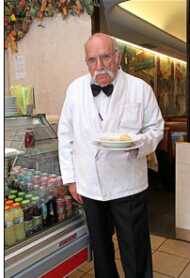


 Somerset





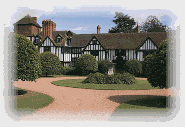
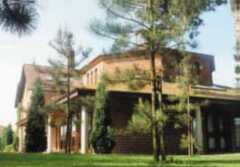
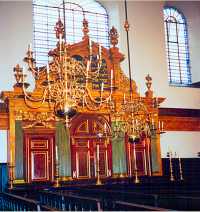
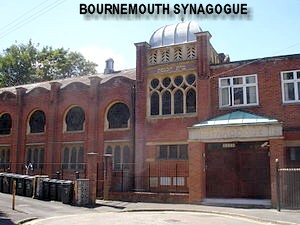
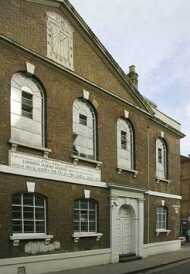
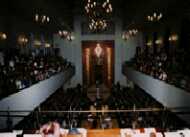
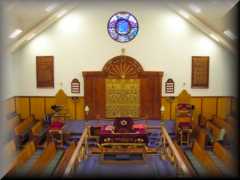
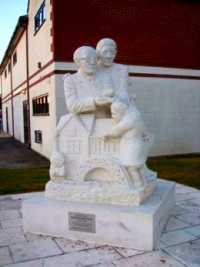
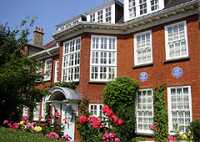
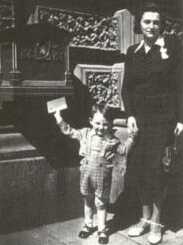
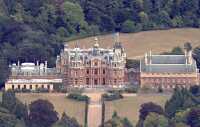
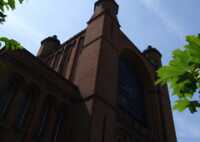
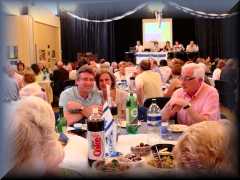
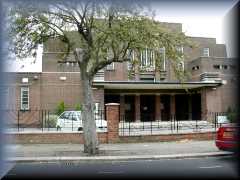
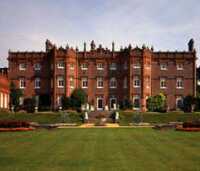
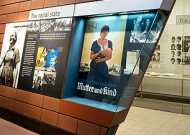

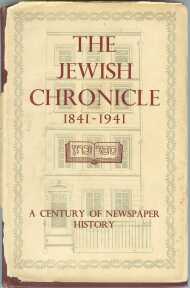



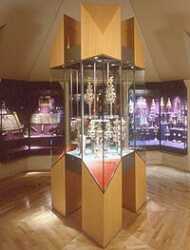
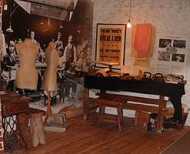
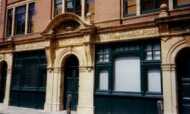
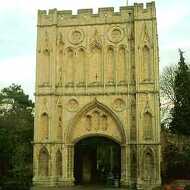


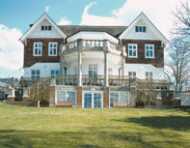
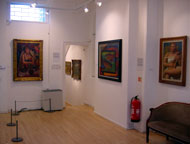
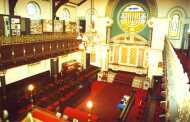
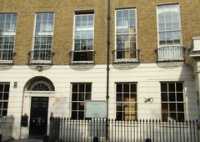
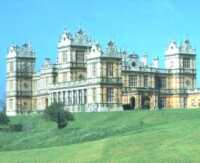
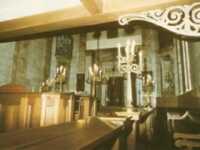
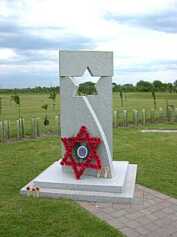
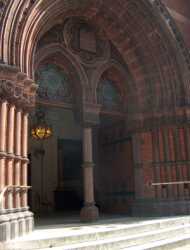
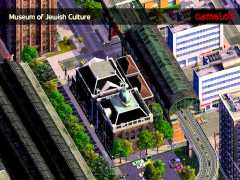
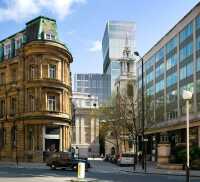
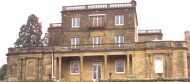

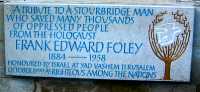
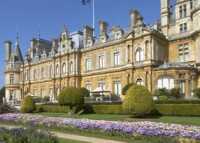
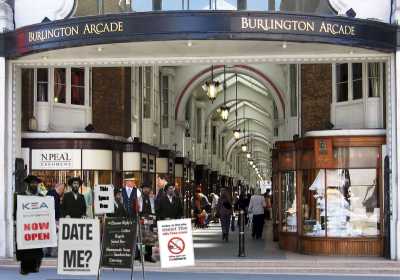


 Finding good beigels in